


Tuesday marks the return to school at Weledeh Catholic School in Yellowknife, where some kindergarteners will continue their unique educational experience focused on outdoor activities such as fish gutting, wood chopping, and land-based learning. The school successfully introduced a land-based junior kindergarten program last year, which has now expanded into a full-fledged land-based kindergarten program for the current academic year.
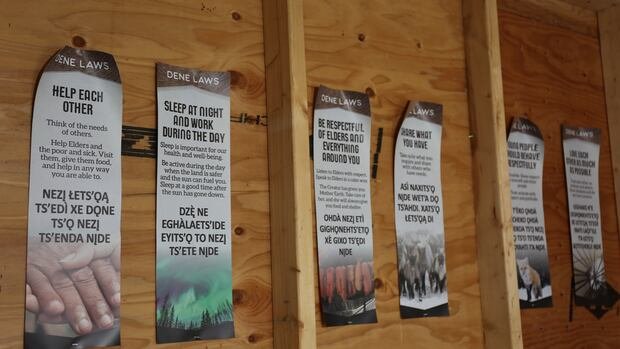
Principal Paul Kelly noted the positive impact of the program on students, with increased confidence and self-determination observed among participants. The school’s outdoor play area includes a specially designed cabin equipped with a wood stove for comfort during colder weather. Decorated by students with the help of Tłı̨chǫ artist James Wedzin, the cabin serves as a hub for outdoor learning activities.
The land-based curriculum involves students spending several hours per week learning outdoors, often guided by Indigenous language educators and older peers who act as mentors. This year, approximately 15 students are enrolled in the land-based junior kindergarten program, with an expected 20 students to join the kindergarten program pending final registrations.
Looking ahead, Kelly envisions expanding the on-the-land programs from junior kindergarten through Grade 12, gradually introducing these initiatives one grade level at a time. He emphasized the benefits of a land-based education, highlighting its potential to provide a more enriching experience compared to traditional classroom settings.
While other schools have yet to formally adopt land-based education programs, there is growing interest and inquiries from educators, indicating a potential shift towards incorporating such initiatives into the broader education system. Chloe Grandjambe, co-founder of Bushkids, advocates for integrating on-the-land learning into the Northwest Territories’ school system, emphasizing the importance of balancing Indigenous and Western worldviews through outdoor education.
Grandjambe believes that embracing land-based school programs could address various challenges faced by the education system, such as high absence rates and student retention issues. By fostering a deeper connection with the land and incorporating Indigenous teachings, educators can create a more engaging and inclusive learning environment for students.
In conclusion, the push for on-the-land learning initiatives reflects a broader effort to reimagine traditional education practices and promote a holistic approach to learning that values the teachings of the land and Indigenous knowledge.