

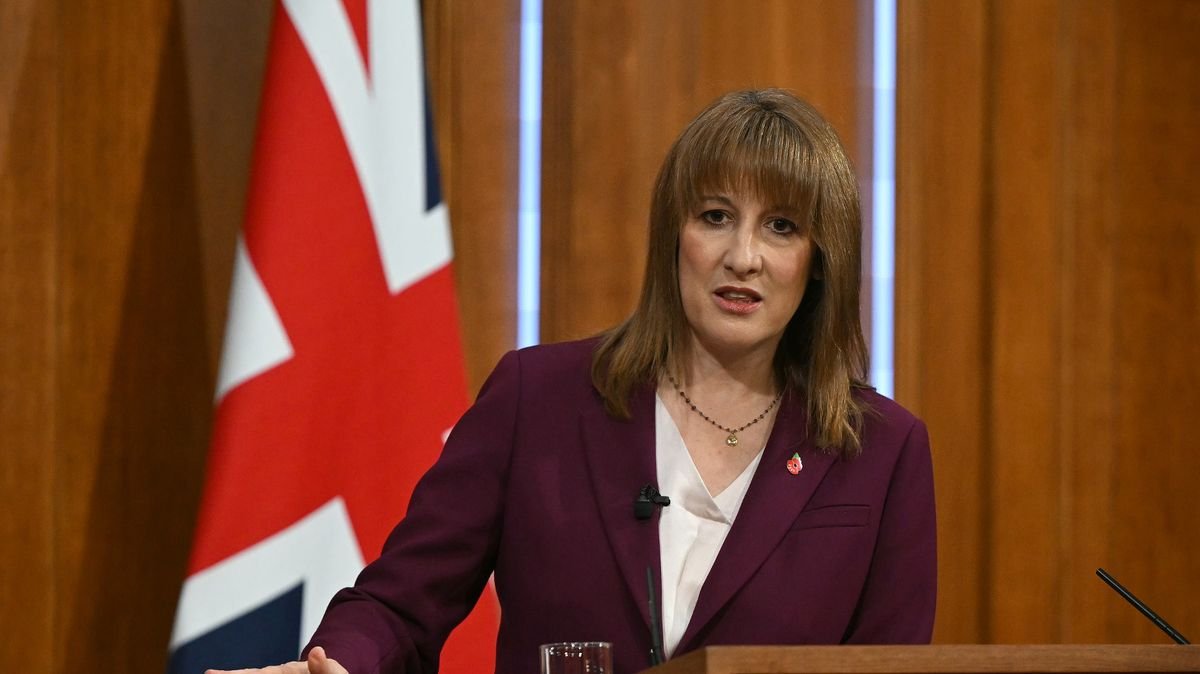

Rachel Reeves made a significant announcement preparing for the upcoming Budget three weeks in advance. Although lacking specifics, the message she delivered had a major impact on the overall situation.
Contrary to the perception that last year’s tax-raising Budget by the Chancellor was a one-time event, it now appears that more tax hikes are on the horizon, including potential deviations from previous promises that may not sit well with the public.
Reeves is taking a calculated risk by signaling the likelihood of additional tax increases, emphasizing the necessity for contributions from citizens to improve the country’s financial health. The outcomes of these decisions could heavily influence the upcoming general election and long-term economic prospects.
While avoiding direct references to certain topics in her speech, the increasing buzz in recent weeks suggests that another challenging Budget is looming. However, the focus seems to lean towards tax increases rather than extensive spending cuts, with a commitment to steer clear of past austerity measures under the previous government.
Labour’s stance, as outlined in their manifesto, pledges to spare working individuals from tax hikes on various fronts. Nevertheless, the evolving economic landscape prompts a reassessment, as the bulk of tax revenue is generated from a combination of income taxes, making adjustments seemingly inevitable.
The potential scenarios discussed by the Resolution Foundation propose adjustments to income tax rates that could yield substantial revenue. However, implementing such changes, especially altering the basic tax rate after a prolonged period, carries significant political implications, dubbed as the “50-year tax taboo.”
Analysts predict that even a modest increase in income tax rates could impact individuals across different income brackets, potentially affecting disposable income during a period marked by rising living costs.
The debate also extends to other tax avenues, such as Value Added Tax (VAT), which plays a crucial role in government revenue. Any alterations to VAT rates could have far-reaching consequences on inflation and consumer spending patterns, balancing fiscal gains with potential economic repercussions.
Reeves specifically highlighted the burden of energy and food costs on households, hinting at potential adjustments to VAT rates to alleviate financial strain for the average family.
Amidst the speculations surrounding various taxation measures, discussions range from pension policies to potential levies on specific industries like online gambling, indicating a broad spectrum of considerations in the lead-up to the Budget announcement.