


Iraq is working swiftly to address the aftermath of an incident where local Iran-backed militias allegedly attacked and closed a significant Saudi pipeline. Although an alliance of Iran-backed militias in Iraq denied any involvement, the Iraqi government confirmed that the attacks originated from within its borders. The government has committed to investigating the matter and has removed a military commander in response.
Iraq is facing increasing pressure to prevent local militias from assisting other Iran proxy groups in the region. The Iraqi government has set a deadline of September 30 for non-state groups to disarm, but several powerful militias have stated their refusal to comply.
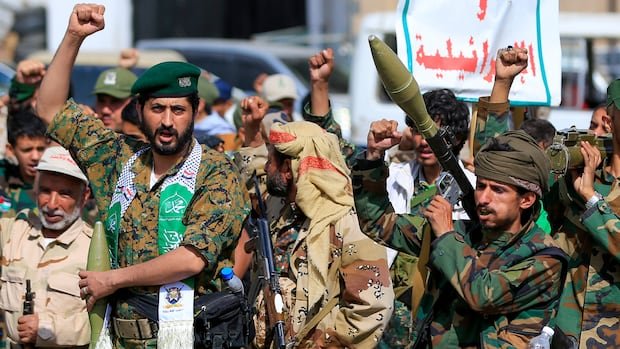
The urgency to disarm these militias has heightened as Iran-backed Houthi rebels advance along Yemen’s west coast, posing a significant challenge to the Saudi-backed coalition and potentially escalating tensions in the region. The recent seizure of an island in the Bab al-Mandab Strait by the Houthis, a crucial shipping route where approximately 12% of global trade flows through, could further impact global oil prices, which have already been influenced by the ongoing Iran-U.S. conflict.
In a statement on Saturday, a group of Iran-backed militias in Iraq denied responsibility for the attacks on the Saudi pipeline while expressing support for the Houthis’ military successes against Saudi forces. The group emphasized its willingness to cooperate with the Iraqi government’s investigation.
Saudi Arabia took precautionary measures by shutting down a major cross-country oil pipeline after it was targeted in a drone attack. The kingdom attributed the attacks to drones originating from Iraq but stated that it would refrain from retaliation to allow the Iraqi government an opportunity to take appropriate actions.
Several Arab nations, including Kuwait, the United Arab Emirates, Oman, and Egypt, condemned the attack on the pipeline. The East-West pipeline, constructed in the 1980s, has been vital for Saudi Arabia’s oil exports, particularly following disruptions in the Strait of Hormuz due to previous conflicts.
As part of the ongoing investigation, Iraq has closed two key border crossings with Iran. The closures were reportedly linked to previous violations and infractions at these crossings. The move could be related to recent tensions and the need to address security concerns in the region.
The escalating conflict poses a threat to Yemen’s fragile truce, potentially reigniting the country’s civil war that has been relatively subdued since 2022. The conflict has had devastating consequences, affecting millions of people in Yemen and leading to widespread displacement and humanitarian crises.
The ongoing developments in the region underscore the complex geopolitical dynamics and security challenges faced by countries in the Middle East. It remains crucial for regional and international stakeholders to work towards de-escalation and peace efforts to prevent further destabilization and humanitarian suffering.