


A group of twelve individuals who participated in a prolonged international student demonstration in northeast Calgary are now facing potential immigration issues and may be required to depart Canada, as per an immigration attorney’s assessment. The Canada Border Services Agency (CBSA) confirmed that officers were dispatched to the protest location to verify the immigration statuses of attendees. Out of the 20 individuals checked, twelve were identified as potentially inadmissible under the Immigration and Refugee Protection Act. The individuals were instructed to attend a follow-up interview at the CBSA office later that day for further assessment, with no additional details disclosed due to privacy regulations.
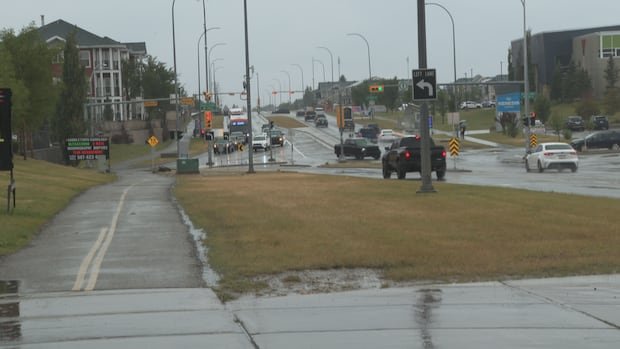
The agency emphasized that all individuals subject to immigration enforcement actions, including removal from Canada, are entitled to due legal process. The protest, which involved international graduates and supporters highlighting work permit concerns, took place near the Genesis Centre at Saddletowne Circle.
Similar demonstrations are occurring in Edmonton, with some Alberta students engaging in hunger strikes to raise awareness of the issue. Graduates from Portage College expressed disappointment after being denied post-graduation work permits, despite initial expectations of eligibility. Portage College is seeking clarification from Immigration, Refugees, and Citizenship Canada (IRCC) regarding the permit denials.
The Calgary Police Service requested assistance from CBSA during the demonstration, citing noise complaints, obstruction of businesses, and public disturbances. Following a report of individuals blocking sidewalks without permits, police sought identification and contacted CBSA for verification. Initially called to check the status of four individuals, CBSA conducted a broader verification after finding two individuals non-compliant with their immigration status.
Jatin Shory, an immigration lawyer, cautioned a group of students challenging their permit denials against attending public protests, describing the situation as unique due to a significant number of individuals openly revealing their undocumented status. He highlighted CBSA’s right to investigate tips and suggested the agency aimed to convey a message about evolving immigration policies in Canada. While the outcome of the individuals’ interviews remains undisclosed, Shory indicated that receiving an exclusion order, mandating immediate departure and a one-year ban from Canada, is a common consequence for those without status.
Legal options exist to contest exclusion orders, but Shory noted the challenges in winning such cases, with potential removal within a few weeks.