


Ghislaine Maxwell is set to make an appearance before a US congressional committee, choosing to remain silent, a move that is expected to convey significant messages. As a convicted individual serving a 20-year sentence for involvement in teenage sex trafficking, Maxwell is slated to provide virtual testimony to the House Oversight and Government Reform Committee on February 9. Her legal team has indicated her intention to assert her Fifth Amendment rights, signaling her refusal to provide any information or details. This strategic silence is not merely a routine exercise of constitutional rights but holds deeper implications, primarily directed towards one individual: Donald Trump.
Maxwell, known for her role as a facilitator, recruiter, and enforcer for Jeffrey Epstein, has always been attuned to the dynamics of power. By safeguarding the secrets of affluent and influential figures, she has demonstrated her understanding of how to maintain influence. Her current approach is clear-cut: maintain silence to protect her position of value to a president known for rewarding loyalty and penalizing those who divulge information.
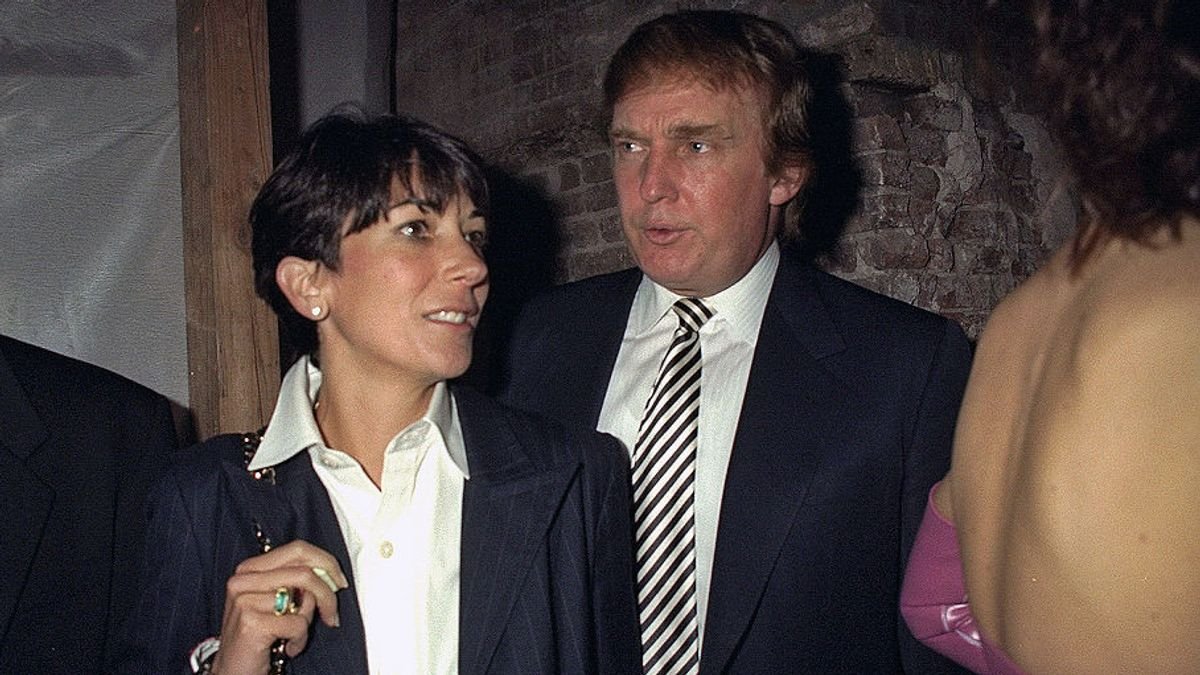
The extensive documented connections between Trump, Epstein, and Maxwell reveal a history of social interactions in New York and Florida. While existing evidence places Trump in their social circles through various mediums such as photographs, flight logs, and witness testimonies, the depth of their relationship and the information Maxwell possesses remain undisclosed. This knowledge serves as her leverage, positioning her as a valuable asset by preserving confidentiality.
Despite calls from Democrats urging contempt proceedings due to Maxwell’s anticipated refusal to provide substantive answers, the lack of immunity offered by Congress diminishes her incentive to cooperate. Her legal team has dismissed the upcoming deposition as political theater, emphasizing the futility of the process when the witness opts to remain silent. However, the significance lies in the exposure of how power continues to shield individuals at the core of the Epstein scandal.
Maxwell’s appearance coincides with mounting criticism aimed at the US Justice Department, specifically Attorney General Pam Bondi, for the sluggish and selective release of Epstein-related documents. The retention of millions of sealed pages under vague justifications perpetuates a shroud of secrecy that predominantly benefits the influential and powerful.
Amid Maxwell’s dwindling legal options following a failed appeal to the Supreme Court, the prospect of a presidential pardon or sentence commutation emerges as her solitary escape route. By maintaining her silence regarding Trump’s associations with Epstein and herself, Maxwell remains a valuable entity, aligning with Trump’s inclination to value utility over justice.
When Maxwell virtually appears before the committee in February, her deliberate silence will not stem from fear of prosecution but from the hope of securing potential rewards by shielding Trump from scrutiny. This situation underscores the reality that accountability often diminishes in the face of entrenched power dynamics, a sobering reflection on the limits of accountability within the Epstein scandal.