

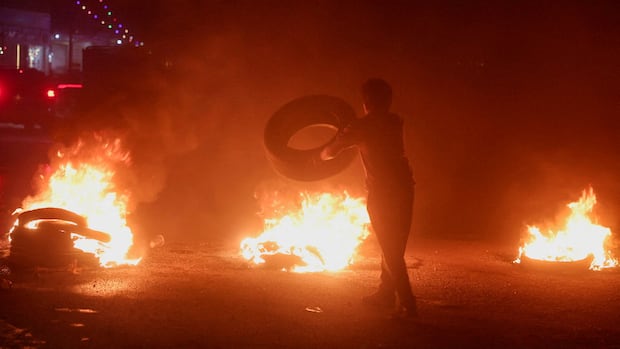

On Wednesday, hundreds of oil tanker trucks found themselves stuck in Syria, exemplifying the ongoing global protests that have been partly incited by rising fuel prices.
The political contexts differ significantly — the blockade of trucks, as shown in the image above near Tal Tamr, Syria, is closely linked to efforts to bring previously autonomous Kurdish authorities under the control of the central government.
However, unrest fueled by increasing fuel costs is also evident in distant places like Guatemala and the Philippines.
Although oil prices dropped on Wednesday, they remained above $100 US due to disruptions in oil supply from the Middle East. Prior to the U.S. and Israel’s assault on Iran on February 28, oil prices ranged between $60 and $70 per barrel, contingent on the type of crude oil. Diesel prices, impacted more heavily by refining constraints and the ongoing Russia-Ukraine conflict, have surged by approximately 60 percent since late February.
Below is a visual overview of protests occurring this month.
On Sunday, the Syrian government announced a gasoline price increase of over 25 percent and a 40 percent hike in diesel prices, attributing these changes to escalating global fuel costs related to the U.S.-Iran conflict and ongoing repairs at a coastal refinery. This led to protests in various locations, including the highway connecting Turkey with Aleppo, Syria’s largest city.
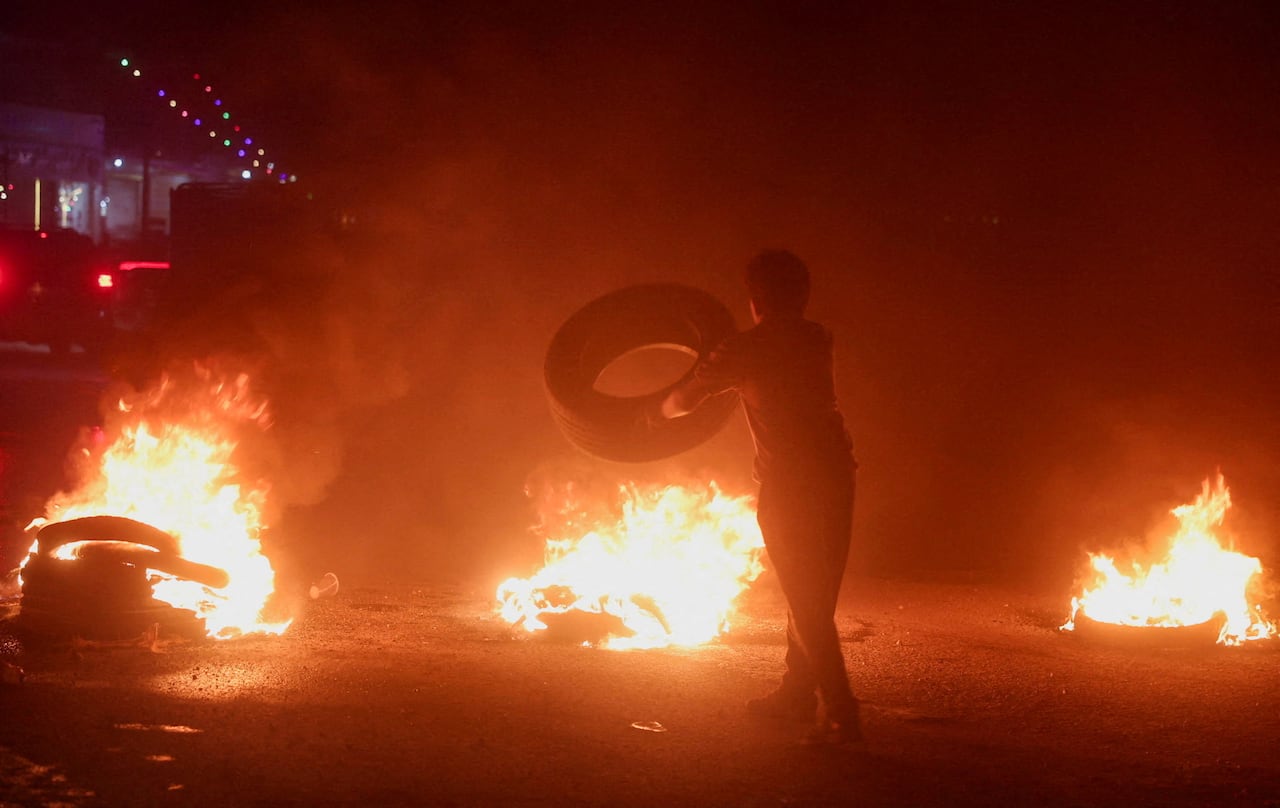
An Aleppo protester ignites tires on a highway on Sept. 13 to express discontent over fuel price hikes. (Mahmoud Hassano/Reuters)
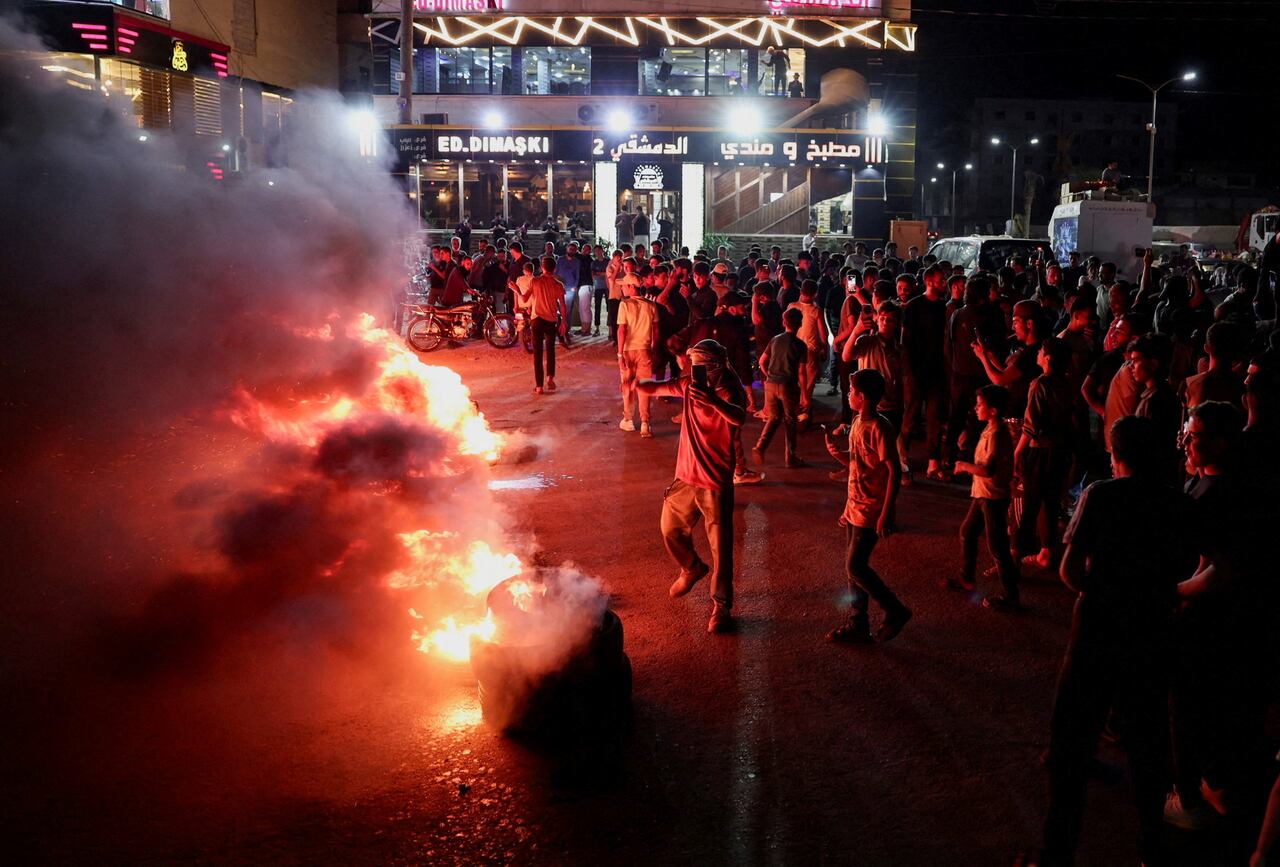
Protesters set fire to tires and obstruct the highway between Aleppo and Turkey on Sept. 13. (Mahmoud Hassano/Reuters)
In Guatemala, transport workers, taxi drivers, and Indigenous communities have united in protests against escalating fuel prices.
The U.S. non-profit organization ACLED (Armed Conflict Location and Event Data) reported that as of September 4, there were 40 protests across 27 cities. In addition to rising fuel prices stemming from Middle Eastern conflicts, Guatemala is also grappling with droughts related to El Niño.
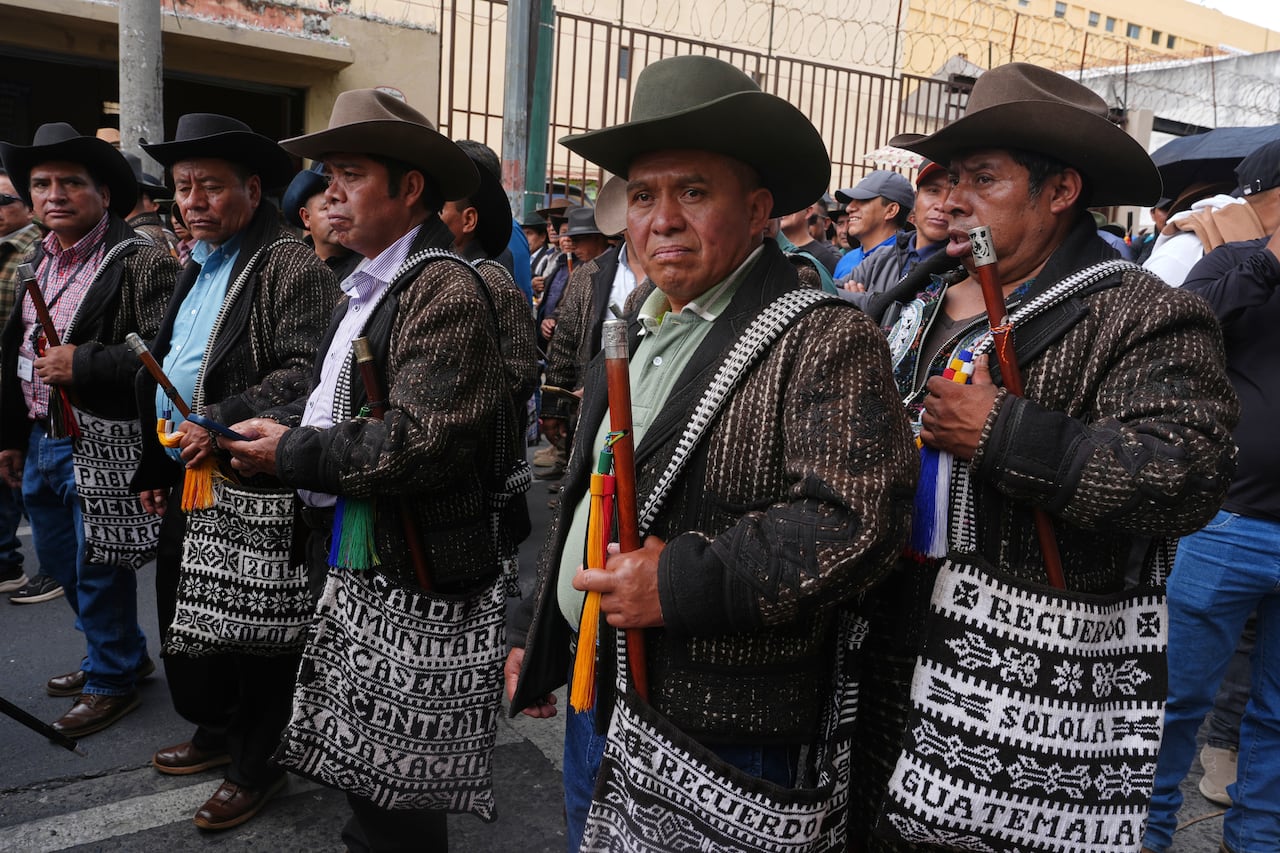
Indigenous Guatemalans march towards the congress on Sept. 8, protesting against rising fuel prices and calling for government subsidies in Guatemala City. (Moises Castillo/The Associated Press)
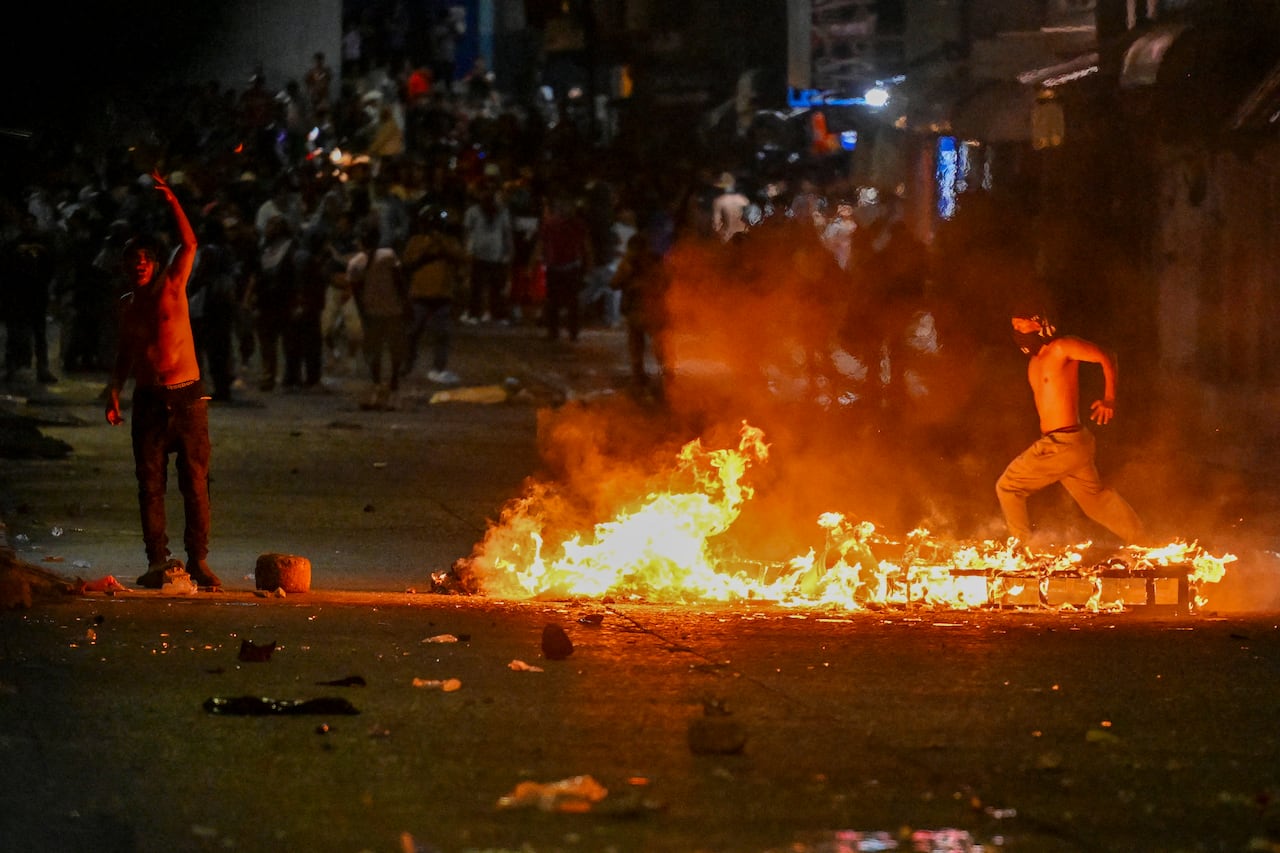
Demonstrators ignite a roadblock in Villa Nueva, on the outskirts of Guatemala City, on Sept. 11, during protests against increases in fuel prices. (Johan Ordonez/AFP/Getty Images)
Tensions escalated last week as organized truckers and other groups obstructed roads, set vehicles ablaze, assaulted police officers with weapons, and caused damage in various areas, predominantly in the capital of Guatemala.
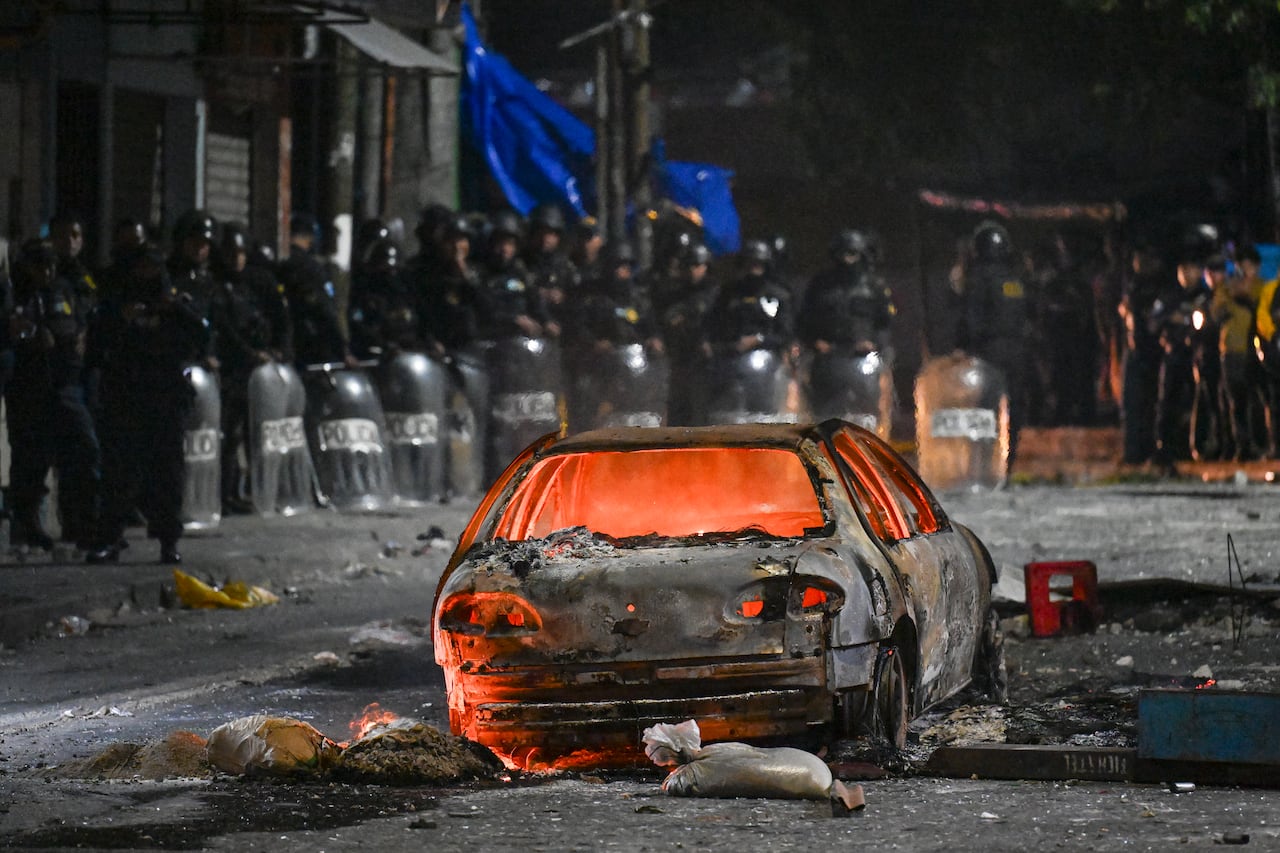
A burning vehicle is seen next to a roadblock in the Santa Isabel neighborhood of Villa Nueva on Sept. 11, amidst protests over rising fuel costs. (Johan Ordonez/AFP/Getty Images)
In Bolivia, the combination of fuel shortages and increasing prices has sparked protests and roadblocks this year from labor unions, Indigenous groups, and supporters of former leftist president Evo Morales.
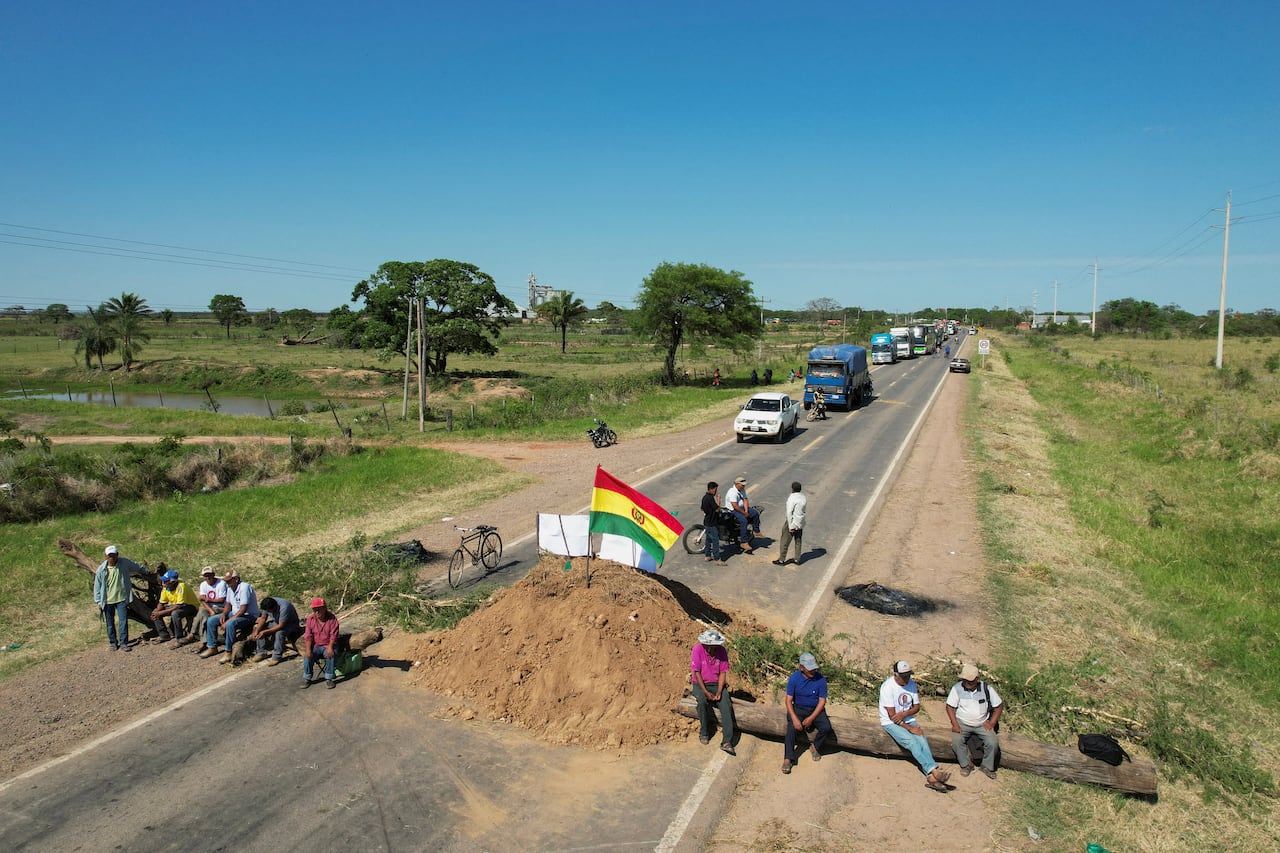
Aerial view of farm workers maintaining a road blockade over diesel pricing in San Julián, Bolivia, on Sept. 2. (Ipa Ibanez/Reuters)
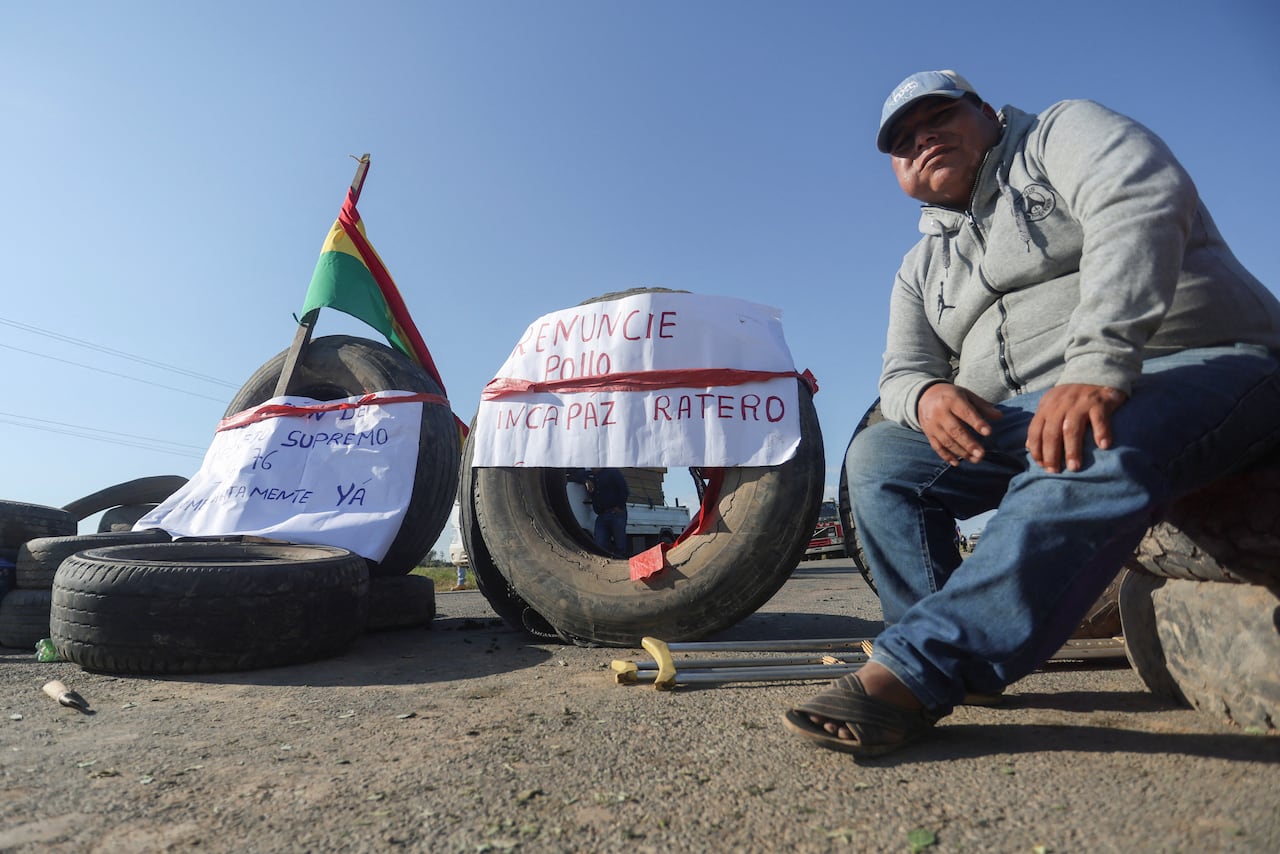
A member of a collective of farm workers sits at a roadblock demanding the repeal of a decree that raised diesel prices in Cuatro Cañadas, Bolivia, on Sept. 2. (Ipa Ibanez/Reuters)
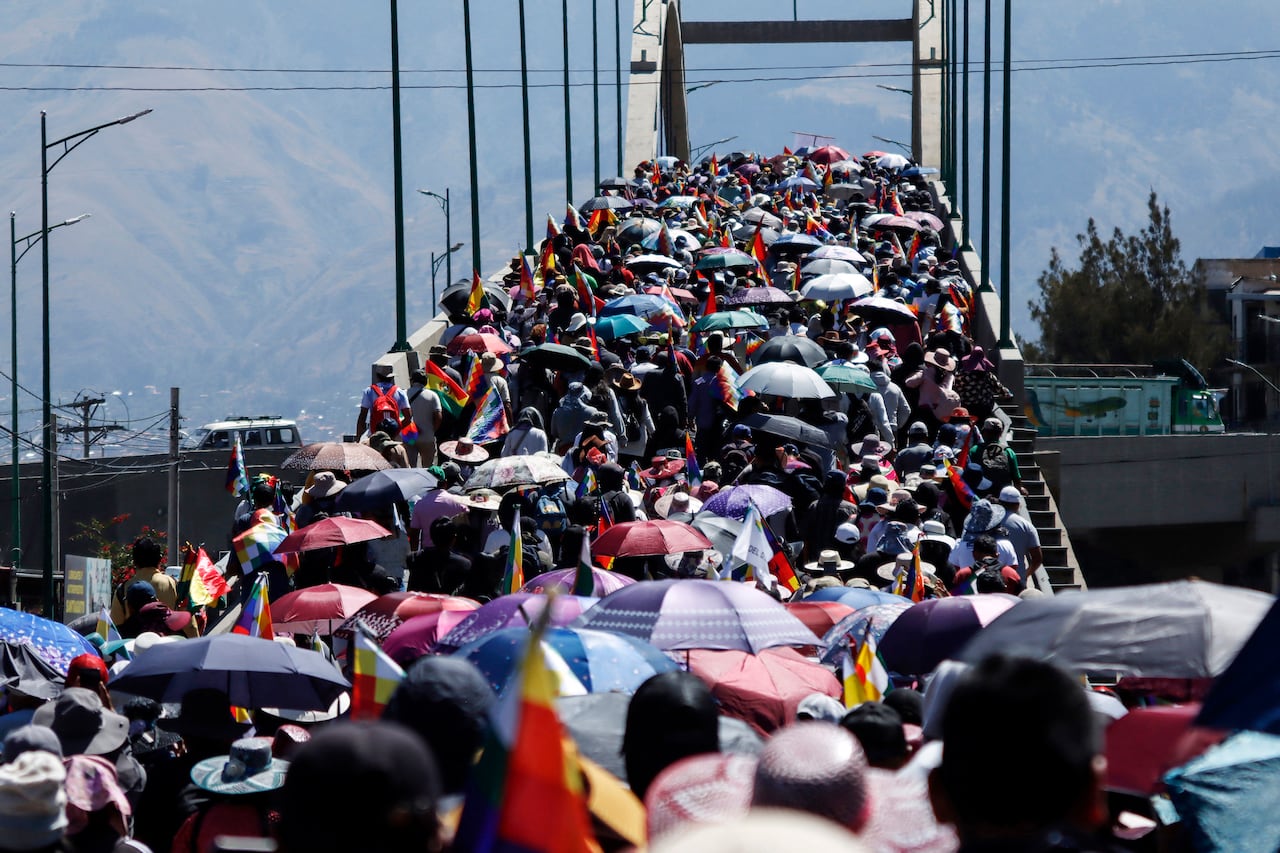
Coca farmers from the Chapare region participate in a protest march against the economic and social policies of Bolivian President Rodrigo Paz’s government, including an increase in diesel prices, in Cochabamba on Sept. 4. (David Flores/AFP/Getty Images)
Additionally, protests related to fuel prices have occurred in other nations, such as Portugal, the Philippines, and France.
On Tuesday, dozens of fishermen blocked access to an oil depot in the port of Fos-sur-Mer, France, protesting against rising fuel prices and deteriorating working conditions.
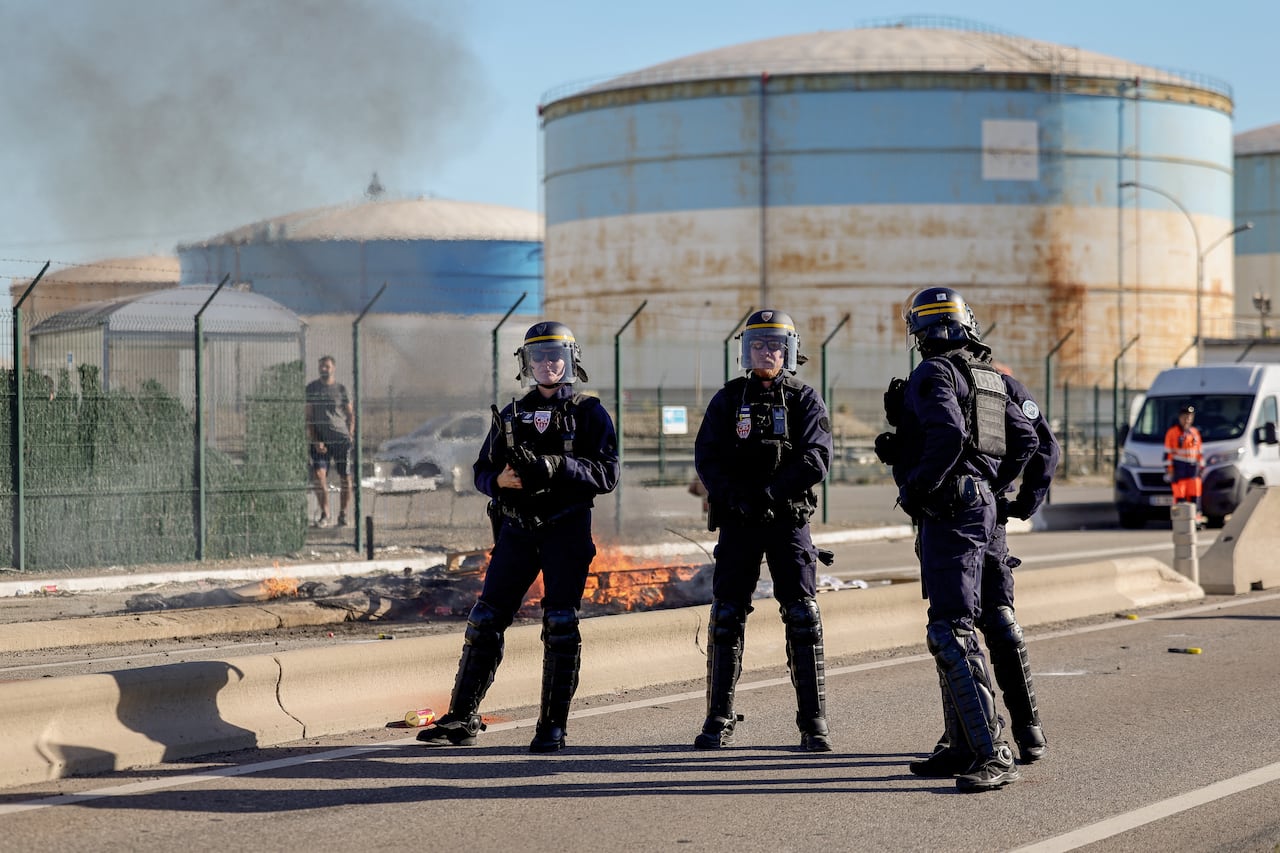
Riot police observe a pallet fire after relocating protesting fishermen in Fos-sur-Mer, France, on Sept. 15. (Clement Mahoudeau/AFP/Getty Images)