

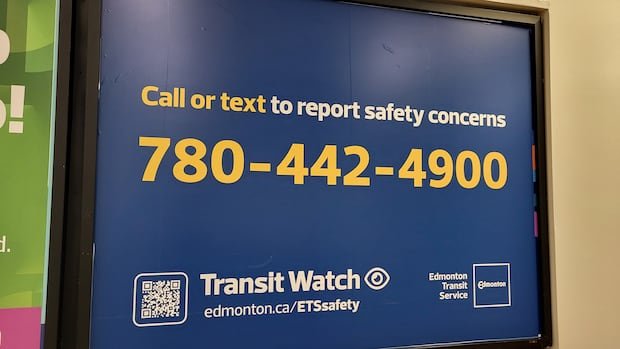

In the early hours of Monday, March 2, a passenger on the Edmonton transit system was physically attacked while passing through Churchill Station en route to catch the Valley Line LRT.
The rider later informed Transit Watch, the safety reporting line of Edmonton Transit Services, that they had been assaulted with a punch to the face. The passenger admitted delaying the report as they simply wanted to leave the scene quickly and reach home.
On the same day, Transit Watch received multiple complaints from riders regarding various safety issues, including harassment, drug use, drug transactions, setting fires at bus stops, and individuals exhibiting dangerous behavior within transit facilities.
Despite ongoing efforts by the City of Edmonton to enhance public transit safety by increasing the presence of peace and police officers, expanding outreach teams, and investing more in cleaning and security enhancements, messages sent to the reporting line earlier this year suggest that numerous passengers still harbor safety concerns within the transit system.
Recent text messages obtained by CBC News, covering a period from mid-February to mid-March, revealed a consistent influx of reports from across the city, with drug-related incidents ranking as a prominent worry among riders. Complaints highlighted instances of drug consumption and smoking at LRT stations, bus stops, and pedestrian walkways.
Concerns mentioned in the messages encompassed encounters with individuals using meth, crack, and fentanyl on transit premises, as well as incidents of harassment, verbal abuse, and hate speech directed at passengers. Riders also expressed unease about witnessing drug deals, encountering drug paraphernalia, observing disruptive behaviors like public urination and screaming, and encountering hazardous items like broken glass and used condoms within transit areas.
Furthermore, reports detailed incidents such as blood pools at transit stations, fires being ignited in transit locations, physical altercations, and threats of violence within LRT stations. Notably, frequent transit user Katarina Hamilton shared her experiences of witnessing disturbances and fires on transit premises, emphasizing the need for additional peace officers and improved surveillance through bus security cameras to enhance passenger safety.
Despite ongoing efforts to address safety concerns, the perception of safety among Edmonton transit riders has remained largely unchanged, with surveys indicating that 61% of riders felt safe during their last transit journey, consistent with the previous year’s findings. Carrie Hotton-MacDonald, ETS’s branch manager, acknowledged the complexity of shaping riders’ safety perceptions and highlighted an increase in text communications during colder months, aligning with elevated ridership and safety line promotion efforts.
Data from the Edmonton Police Service revealed a rise in police responses to violent incidents at LRT and transit center locations from 292 in 2024 to 307 in 2025, although calls in the current year have shown a decrease compared to the previous year.
To enhance passenger safety, ETS is rolling out various initiatives, including the addition of 30 peace officers and an eighth community outreach team. Additionally, efforts are underway to provide cellular connectivity in LRT tunnels, enhance rider engagement, offer travel training support, and make infrastructure upgrades at transit stations to bolster safety perceptions.
City council members, like Coun. Anne Stevenson, emphasized ongoing efforts to address transit safety through initiatives such as pop-up events at LRT stations and the deployment of safety attendants. However, persistent challenges linked to social disorder call for comprehensive solutions addressing root causes, which involve collaborative efforts with provincial and federal partners to provide sustained support for long-term safety improvements.
As cities nationwide grapple with public transit safety concerns related to drug use, experts like David Cooper have stressed the importance of sustained support from all levels of government to address these complex issues effectively. Cooper’s insights underscore the challenges faced in ensuring ongoing safety enhancements within public transit systems, urging for sustained collaborative efforts to drive lasting improvements.