

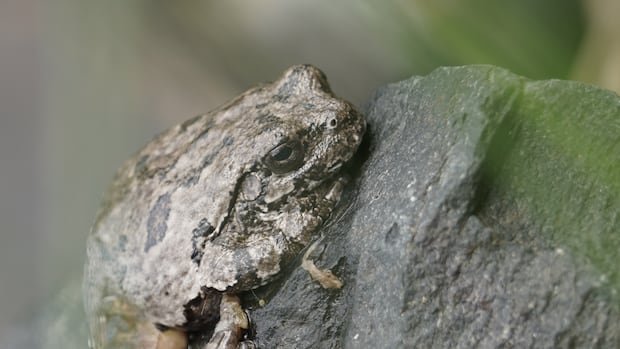

Thickened skin shedding from lethargic frogs and toads in patches, coupled with difficulties in breathing and feeding, are indicative symptoms of chytridiomycosis, a deadly fungal infection known as an “epidermal epidemic” causing the extinction of numerous amphibian species globally.
Although not yet identified in Manitoba, the presence of this pathogen in the province is highly likely based on extensive reports across the continent. Chytridiomycosis in frogs is caused by the fungal pathogen Batrachochytrium dendrobatidis, while in salamanders, it is caused by Batrachochytrium salamandrivorans, which emerged in East Asia and has devastated local salamander populations in Europe.
The potential spread of chytridiomycosis to North America poses a significant threat to amphibians, with nearly half of Alberta frog populations testing positive for the disease in the past decade. In British Columbia, the fungus was found in one out of every ten amphibians sampled. The decline in amphibian populations, particularly the endangered northern leopard frog in Western Canada, raises concerns about the impact of chytridiomycosis on these species.
The historical decline of the leopard frog population in Manitoba, possibly linked to chytrid infection, underscores the urgency of monitoring and conservation efforts to protect amphibians from this deadly pathogen. The proactive research conducted by Jackie Tran at Brandon University aims to establish a monitoring program to mitigate the impact of chytridiomycosis on local amphibian populations.
Geographic modeling data used by Tran highlights wetland habitats vulnerable to pathogen proliferation, emphasizing the need for conservation measures to safeguard amphibians in the face of environmental changes. The confirmation of chytrid in Manitoba amphibians could provide hope for combating the disease and preventing further declines in amphibian populations.
Efforts to inoculate young leopard frogs against chytrid at the Wilder Institute and Calgary Zoo show promise in improving survival rates, offering a potential solution to counter the devastating effects of the fungus. Tran’s research underscores the importance of disease prevention to preserve amphibian biodiversity and ecosystem health.