

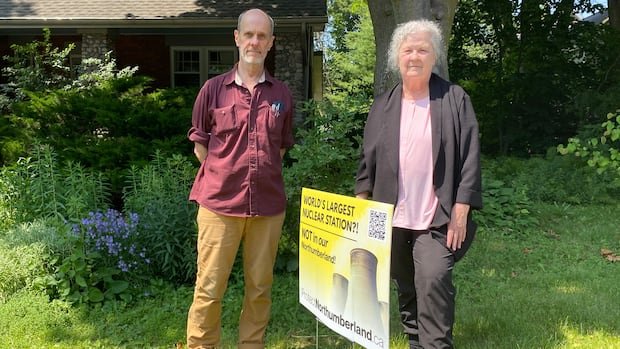

The Ontario government’s recent announcement of plans to construct a potentially massive nuclear power plant in a picturesque community of around 18,000 residents has been met with mixed reactions. While government officials and local leaders have praised the project as a step towards a more secure energy future, long-time residents of Port Hope, who have endured a troubled history with the nuclear industry, have expressed outrage.
The town’s association with radioactive materials dates back almost a century when a radium refinery plant was established in the 1930s, later switching to uranium refinement for the Manhattan Project during World War II. Decades of waste disposal have left a legacy of contamination in Port Hope, leading to ongoing cleanup efforts under the Port Hope Area Initiative.
Despite assurances from Ontario Power Generation (OPG) that the new plant would adhere to strict regulatory standards, critics remain concerned about the potential risks and environmental impact. The proposed nuclear facility, touted to be one of the largest globally, aims to generate significant power capacity and economic benefits for the province.
Port Hope Mayor Olena Hankivsky emphasizes that the cleanup and the new nuclear project are distinct endeavors governed by different regulatory frameworks. Experts support the view that current standards would apply to the proposed plant, ensuring safety and environmental protection.
While some residents welcome the economic prospects of the new plant, others, like Faye More and Sarah Sculthorpe, are actively opposing the development. Voices of dissent are growing louder, with calls for increased transparency and community engagement in the decision-making process. Concerns about the proximity of the plant to residential areas and the lack of a buffer zone have sparked debates about the project’s feasibility and impact on the community.
As the project undergoes review and assessment, residents and advocacy groups are mobilizing to raise awareness, lobby for environmental justice, and explore legal avenues to challenge the construction of the nuclear plant. The town of Port Hope, with its complex history of nuclear waste management, remains at the center of a contentious debate over the future of energy generation and environmental stewardship.