

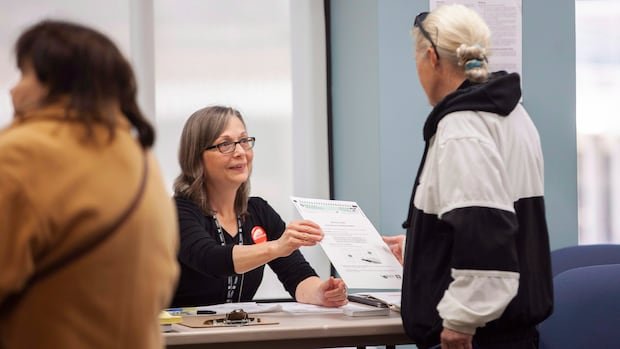

As the deadline approaches for the Ontario municipal elections, attention is shifting towards the number of candidates running for leadership roles in different communities. With nominations set to close on Friday afternoon, the presence of seats with only one or no registered candidates has become a noticeable trend, particularly in rural areas, according to Zachary Spicer, a public policy associate professor at York University.
The issue of uncontested seats and lack of candidates has been a concern in recent election cycles, with some municipalities having their entire councils acclaimed in the 2018 vote. Additionally, certain rural communities have struggled to attract any candidates for specific seats, raising questions about the health of local democracy and governance.
The Association of Municipalities of Ontario (AMO) has also highlighted the importance of community involvement in local government, emphasizing the significant impact that municipal councils have on various aspects of daily life, from housing and infrastructure to economic development. AMO President Robin Jones encouraged individuals to consider running for office to ensure diverse perspectives and choices on council decisions.
Spicer pointed out that one of the deterrents for potential candidates could be the demanding nature of municipal office coupled with relatively low pay, especially in smaller communities where councillors may receive minimal compensation. The lack of flexibility in meeting schedules, often during working hours, further limits the pool of candidates who can actively participate in local governance.
In the previous municipal elections in 2022, over 550 positions went uncontested, resulting in candidates being elected by acclamation. Recent legislative changes by the Ontario government, including the appointment of chairs in select regions and granting enhanced powers to certain officials, have stirred debates about democratic processes and governance structures.
As the upcoming election approaches on October 26, the political landscape continues to evolve with ongoing supervision of several school boards in Toronto and other districts. Education Minister Paul Calandra’s intervention in these boards, citing financial concerns, has led to uncertainties about the future governance framework in education.