

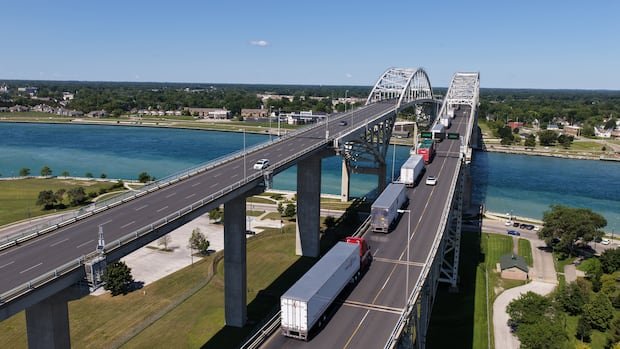

Communities along the Canada-U.S. border are preparing for additional economic repercussions following the breakdown of trade negotiations and an escalation in tariff disputes between the two nations. Mayor Mike Bradley of Sarnia, a key Ontario border city and petrochemical center, expressed concerns that the ongoing trade dispute could severely impact local employment, especially since the city is a major exporter of plastics, a product category directly affected by the latest U.S. tariffs.
Although Mayor Bradley supported the federal government’s stance, he cautioned that solidarity within the community might wane as the negative effects of the tariff battle become more pronounced. He emphasized the importance of unity among leaders in facing these challenges.
Prime Minister Mark Carney has pledged a proportional response to the 50% tariffs imposed by the U.S. on approximately $28 billion worth of Canadian goods after failed negotiations. Canada’s retaliatory tariffs are scheduled to take effect on September 8, targeting industries such as steel, dairy, pulp and paper, electronics, and appliances.
Tensions heightened further when U.S. President Donald Trump threatened to impose 50% tariffs on Canadian vehicles and auto parts starting January 1, which would also extend to steel, already subject to a 50% tariff. The potential impact of these threats on Windsor, a pivotal hub of Canada’s automotive sector, raised concerns. Mayor Drew Dilkens warned of job losses if the tariffs were implemented, hoping for a rational resolution before any such measures took effect.
Mayor Dilkens highlighted the upcoming U.S. midterm elections as an opportunity to underscore the negative outcomes of a prolonged tariff dispute in swing states like neighboring Michigan. He criticized President Trump’s actions as detrimental to both the U.S. and Canada, foreseeing adverse consequences if the trade conflict persists.
Democratic governors of U.S. border states, including Michigan Governor Gretchen Whitmer and New York Governor Kathy Hochul, criticized Washington’s response to the trade dispute over the weekend. They pointed out the adverse impact of tariffs on residents, businesses, and the auto manufacturing industry, while deeming the president’s approach as unnecessarily confrontational towards American allies.