


In 2020, a group of government inspectors in Goa, India, visited United Marine Products factory to investigate its disposal methods of toxic wastewater. Local residents had long complained about the factory’s negative impact on the environment due to its fish meal production process. The inspectors uncovered that the factory had resorted to an illegal method of wastewater disposal by drilling bore holes behind the plant, leading to groundwater contamination and health issues among villagers and livestock.
Despite the accusations, the plant owner denied any wrongdoing. The factory in India supplied fish meal to Skretting, a prominent feed producer used by numerous fish farms in Canada. This connection highlights how seafood consumers in Canada may unknowingly be linked to distant environmental and social problems.
A comprehensive investigation by The Outlaw Ocean Project revealed various hidden costs associated with producing feed for farmed seafood, such as job losses in artisanal fishing, chemical exposure risks, worker fatalities, and public unrest triggered by the noxious odors from fish meal factories. These impacts disproportionately affect poorer nations where the feed ingredients are sourced and processed, contrasting with the consumption of luxury seafood in other parts of the world.
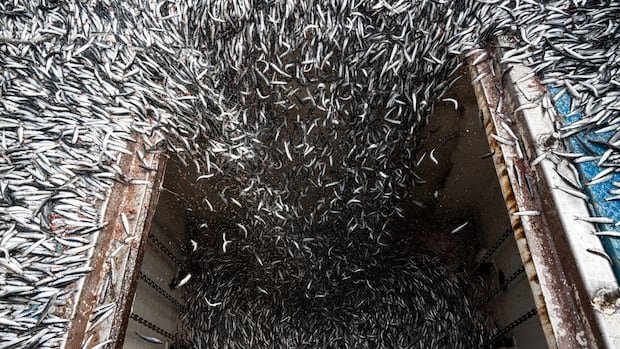
The investigation highlighted Canada’s reliance on global fish meal, with a significant portion of the seafood consumed globally originating from fish farms rather than wild catches. Aquaculture, a rapidly expanding industry valued at $444 billion, heavily relies on fish meal and fish oil produced from wild fish stocks. While efforts have been made to reduce the dependency on fish meal by incorporating alternative ingredients like insects and algae, the industry still faces challenges in sustainability and ethical practices.
Furthermore, the investigation shed light on the unsustainable practices within the fish meal industry, including overfishing and social injustices. The report documented instances of food insecurity, labor exploitation, and environmental pollution in countries involved in fish meal production. The lack of transparency and accountability in the fishing fleets further exacerbates these issues, with many vessels engaging in unsustainable fishing practices and contributing to the depletion of marine resources.
As the aquaculture industry continues to grow, the demand for fish meal remains high, with some major salmon companies increasing their use of wild fish-derived feed. The investigation also revealed instances of pollution and unsustainable fishing practices in Canadian fish meal processing plants, underscoring the interconnectedness of global seafood supply chains and the associated social and environmental impacts.