

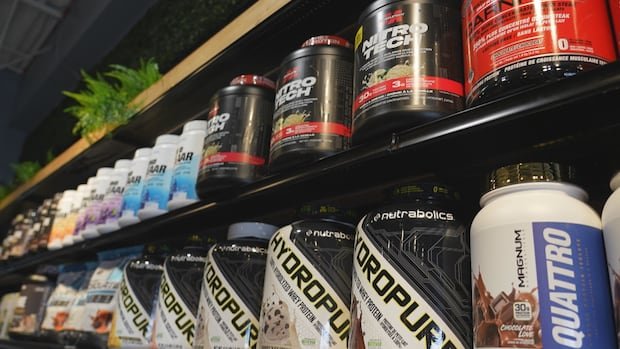

Jennifer Mason, a consumer looking to increase her protein intake, has been utilizing whey protein powder as part of her diet for a few years. However, recent significant price hikes have left her surprised and prompted her to reconsider her purchasing decisions due to the financial strain of being a new parent.
In response to a surge in demand, food manufacturers and fast food chains have incorporated whey protein into a wide range of products, from snacks to beverages. This trend has led to shortages of whey protein, resulting in unprecedented price spikes. Additionally, the ongoing trade tensions between the U.S. and Canada have further escalated costs, potentially burdening consumers with higher prices.
The inclusion of whey protein in various items, including chips, Pop-Tarts, and candy, highlights the growing trend of protein-enriched foods in the market. Noteworthy examples include Khloé Kardashian’s introduction of protein popcorn and Starbucks’ offering of protein cold foam, aligning with the popularity of whey protein-enhanced items like Booster Juice’s whey protein shots.
Driven by the health-conscious consumer segment and the promotion of protein-heavy diets by fitness influencers, the demand for whey protein concentrate, a key ingredient in high-protein foods, continues to rise. This surge in demand has put pressure on smaller businesses like Daryl’s Bars to secure sufficient whey protein supplies amid intense competition from major corporations.
With Canada heavily reliant on whey protein imports from the U.S., the sharp price escalation in U.S. markets has had a ripple effect on Canadian businesses. The U.S. Dairy Export Council notes the insatiable domestic demand for high-protein whey, leading to reduced availability for export markets. Consequently, the price of whey protein concentrate, particularly WPC80, has surged by significant margins in recent years.
John Murray, overseeing marketing at Daryl’s Bars, acknowledges the challenges posed by escalating prices, forcing the company to adjust its pricing strategy to cope with rising costs. The inability to find viable alternatives within Canada for sourcing whey protein has added to the business’s predicament.
The trade tensions between the U.S. and Canada have exacerbated the situation for food manufacturers, with the Canadian government imposing tariffs on American whey imports. This move has further strained the financial burden on businesses already grappling with soaring costs.
While there are options for relief through Ottawa’s tariff-remission program, the complex nature of whey protein production poses challenges in quickly ramping up supply. The intricate process of extracting whey protein from cheese byproducts involves sophisticated equipment and substantial costs, limiting the capacity for rapid production increases.
Looking ahead, the industry may witness a shift towards alternative sourcing options, such as exploring suppliers from New Zealand, to mitigate the impact of tariffs on U.S. imports. However, the associated shipping costs could present additional challenges for Canadian companies navigating the evolving market dynamics.
It is anticipated that the escalating prices of whey protein could lead to higher costs for consumers in the foreseeable future. This projection has prompted some individuals, like Audrey Marcoux, to accept the elevated prices as part of their routine, while others, such as Nathan Bugiardini, are contemplating scaling back their consumption due to affordability concerns. In response to the price pressures, some consumers are exploring plant-based alternatives and unprocessed whole foods as substitutes for whey protein amid the current market conditions.