

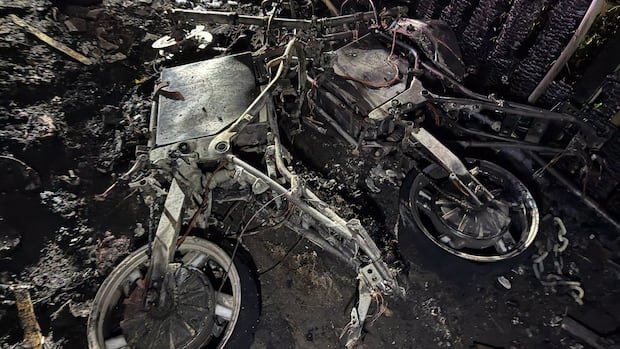

Firefighters have expressed concerns over the dangerous nature of lithium battery fires, particularly in e-bikes stored in homes in Toronto and Peterborough, Ont., and at a P.E.I. solar farm. These incidents have prompted bans on electric bikes and cars in certain buildings, public transit, and ferries, impacting individuals dependent on these modes of transportation. Additionally, the occurrences have instilled hesitation in some individuals about using electric vehicles.
This week, during Fire Prevention Week, the focus is on lithium batteries due to their fire hazards. Understanding the challenges posed by lithium battery fires and implementing strategies to mitigate risks are crucial.
Although Canadian fire departments do not consistently track lithium battery fire incidents, a survey by the Canadian Association of Fire Chiefs estimates around 1,500 fires ignited by lithium batteries across 600 communities in Canada last year. The prevalence of lithium battery fires is higher in household devices like e-bikes and e-scooters.
While fires related to electric vehicles (EVs) and energy storage batteries are less common due to rigorous testing and safety features, statistics on EV fires in Canada are not readily available. Comparatively, U.S. data indicates that EV fires are significantly less frequent than fires in gasoline-powered vehicles.
The root causes of lithium battery fires typically stem from the breakdown of barrier materials separating battery terminals, leading to short circuits. Instances of wear and tear, physical damage, or overheating due to improper charging methods can trigger fires in lithium batteries. These fires can be difficult to extinguish due to their ability to burn hotter and faster, sustain themselves with oxygen, generate toxic substances, and reignite even after initial suppression.
Firefighters often lack adequate training, standard operating procedures, and specialized equipment to handle lithium battery incidents effectively. Strategies for dealing with these fires involve letting them burn out in many cases, as traditional firefighting methods like water may only prolong the situation.
To reduce the risk of lithium battery fires, consumers are advised to purchase certified batteries with safety labels, charge devices properly, and recycle batteries at designated drop-off sites. Damaged batteries should be disposed of in specialized containers to prevent potential hazards. These proactive measures aim to minimize the occurrence and impact of lithium battery fires in various settings.