

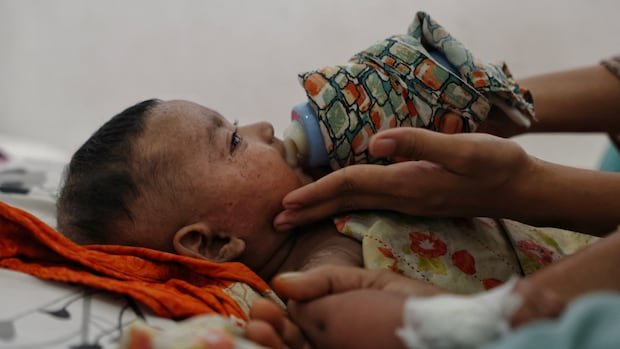

Bangladesh is currently grappling with its most severe measles outbreak on record, with over 1,000 suspected and confirmed measles-related deaths reported since March. The country, which had made significant progress in eliminating measles in the past, is now facing the largest measles outbreak globally, with more than 57,000 cases reported between January and June this year.
According to Bangladesh’s Health Ministry, the actual numbers could be even higher. Since the outbreak began in March, the country has recorded over 166,000 suspected measles cases, including nearly 20,000 confirmed infections. Tragically, the outbreak has led to 999 deaths, including 100 confirmed measles fatalities, with over 146,000 suspected patients being hospitalized.
The outbreak has been attributed to disruptions in routine immunization and vaccine supplies in 2024 and 2025, caused by political unrest following a major uprising against the then Prime Minister. This situation has left many children, especially infants under nine months, vulnerable to the disease, leading to widespread transmission across different age groups.
Experts have pointed to weak program oversight, inadequate monitoring, and changes in procurement policies as factors contributing to the outbreak. The interim government’s actions disrupted vaccine availability, leaving many children unprotected against the highly contagious disease.
Health authorities and international organizations such as the World Health Organization and UNICEF have highlighted the impact of disrupted immunization schedules on the outbreak. Young children under five years old accounted for about 80% of the initial cases during the outbreak.
Efforts are underway to contain the outbreak through an emergency vaccination campaign launched in April. However, the prolonged outbreak underscores the critical need to address immunity gaps, enhance vaccination coverage, and raise public awareness to prevent further spread of the disease.
The surge in measles cases has added pressure to hospitals already strained by a growing number of dengue patients. With over 45,000 dengue-related hospital admissions reported this year, hospitals are struggling to accommodate the influx of patients seeking treatment for both diseases.
Hospitals like the state-run Shaheed Suhrawardy Medical College Hospital in Dhaka are facing challenges due to the overwhelming number of patients. Shortages of essential medical supplies, such as pediatric saline, have further complicated the situation, with many patients receiving treatment on the floor due to bed shortages.
Families affected by the outbreak are enduring weeks of uncertainty, repeated hospital visits, and mounting expenses. Many, like Nasima Begum and Mohammad Ripon, have shared their struggles in seeking treatment for their children, highlighting the difficulties faced in accessing healthcare during this crisis.
Despite ongoing vaccination efforts, the outbreak serves as a stark reminder of the challenges faced by Bangladesh’s health system in maintaining routine services while responding to infectious diseases. Measles, a highly contagious but preventable disease, can be controlled through vaccination, emphasizing the importance of sustaining immunization efforts to protect vulnerable populations.