

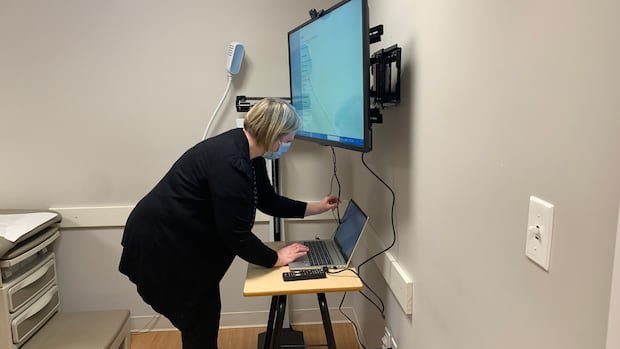

In small communities, the debate over utilizing video calls with healthcare professionals is gaining attention. A recent set of suggestions presented to N.W.T. decision-makers raises the question of whether this approach would benefit or harm healthcare services. While some residents express concerns about the reliance on technology, others, like elder Joachim Bonnetrouge from Fort Providence, see potential in the idea but seek practical demonstrations of its effectiveness before fully endorsing it.
The recommendations stem from an investigation into the unfortunate deaths of three individuals from Dehcho in early 2025, which sparked criticism from families and N.W.T. officials who deemed the fatalities preventable and indicative of disparities within the territory’s healthcare system. Following a motion passed by MLAs in March 2025 to probe the deaths, Health Minister Lesa Semmler presented the investigator’s recommendations in June, although the detailed report remains confidential.
One key recommendation urges the N.W.T. health authority to assess virtual diagnostic tools for enhancing remote support capabilities for clinicians. While emphasizing the value of in-person care at local health facilities, Jason Sutherland, a health services and policy professor at the University of British Columbia, acknowledges the importance of technological solutions when in-person care is inaccessible. Sutherland highlights the necessity of reliable internet connectivity, proper equipment, and trained personnel to operate virtual care systems, which could alleviate the challenges posed by the nationwide shortage of medical practitioners.
Despite the potential benefits, Dehcho Grand Chief Herb Norwegian voices apprehensions about prioritizing technical proficiency over medical expertise, emphasizing the irreplaceable nature of hands-on care. The Northwest Territories Health and Social Services Authority already offers patients the option to schedule phone or video consultations for specific appointments, but challenges persist, given that a 2024 survey revealed that 29% of Dehcho households lacked home internet access at the time.
In addressing the limits of virtual care, the recent respiratory illness outbreak in Jean Marie River exemplified the reliance on community health workers due to the absence of permanent medical staff in certain Dehcho communities. While virtual care can aid in managing chronic conditions and initial symptom screenings, its effectiveness during acute outbreaks may be limited, as noted by Sutherland. Former health minister Julie Green advocates for piloting virtual care initiatives in smaller communities like Nahanni Butte to gauge their efficacy and feasibility in overcoming internet connectivity constraints.
As Health Minister Semmler and her department review the recommendations, further updates on their next steps are anticipated in the fall. The ongoing dialogue underscores the complex considerations surrounding the integration of virtual care technologies in small community healthcare settings.