

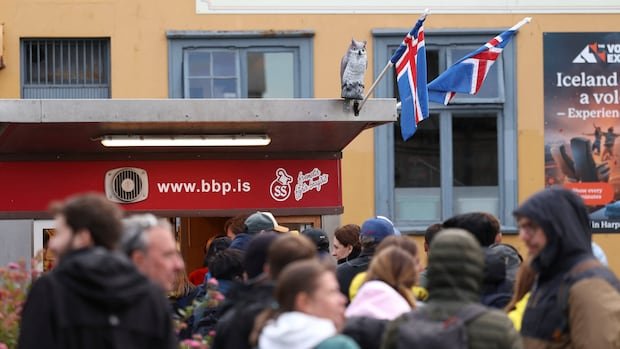

Icelandic voters have decided to refrain from joining the European Union, according to the results of a referendum released on Sunday. The majority of voters opposed the government’s proposal to initiate membership talks, citing concerns over the significance of Iceland’s fishing grounds.
The debate over EU membership in the Arctic nation, home to 400,000 residents, has been ongoing for more than a decade. Initially anticipated to narrowly support beginning negotiations, a shift in public opinion was evident in recent polls leading up to the referendum.
Results from the referendum indicated that 52.8% of votes were against the government’s initiative, while 47.2% were in favor. An impressive 82.5% of eligible voters participated in the process, with only constituencies in central Reykjavik showing a majority in favor, while rural areas and suburbs of Reykjavik opposed the idea.
The government positioned EU membership as a shield against trade conflicts and Arctic geopolitical tensions, portraying the referendum as a critical decision point. Prime Minister Kristrun Frostadottir emphasized that a “no” vote would likely halt the discussion for the duration of her center-left coalition’s governance.
In Brussels, some officials viewed a potential Icelandic accession as a means to enhance EU enlargement efforts and bolster the bloc’s strategic position, particularly in light of Arctic security concerns. The ongoing deliberations also raised questions about Iceland’s security, especially amid uncertainties regarding the U.S. commitment to NATO, with President Donald Trump expressing interest in acquiring Greenland.
However, for many Icelanders, the primary concern revolved around the fishing industry, a vital sector comprising 15% of the GDP and contributing significantly to export revenue. The economic aspect of EU membership was a central theme, particularly in light of Iceland’s economic challenges, such as high inflation and interest rates.
Supporters of EU membership argued that adopting the euro could alleviate economic pressures, considering Iceland’s comparatively high central bank interest rate. Vilhjalmur Hilmarsson, chief economist at Viska labor union, viewed EU membership as a potential catalyst for fostering a more robust economy.
Opposition leader Gudrun Hafsteinsdottir, spearheading the “no” campaign, dismissed the notion that EU membership would address Iceland’s economic issues, emphasizing the need for domestic solutions. Voter sentiments reflected a mix of perspectives, with some, like 70-year-old Ragnhildur Skarphedinsdottir, advocating for maintaining Iceland’s independence for a promising future.
Amid discussions on fishing rights under EU regulations, Icelandic officials reassured that historical fishing patterns would safeguard the nation’s control over its waters. However, skepticism persisted, with Hafsteinsdottir expressing doubts about the long-term implications of EU promises.