

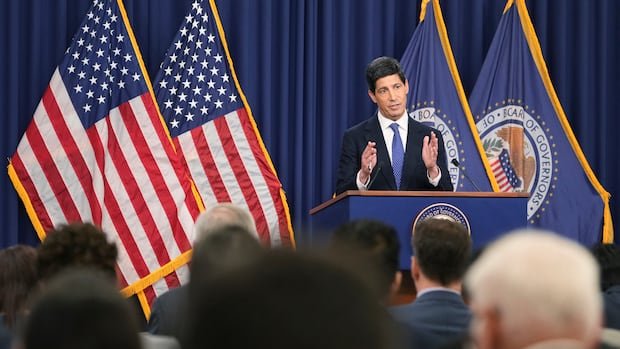

The U.S. Federal Reserve implemented its first interest rate increase since 2023 on Wednesday to combat persistent high inflation. The quarter-point rise brings the Fed’s key rate to approximately 3.9 per cent, potentially leading to increased borrowing costs for mortgages, auto loans, and credit cards for Americans. This action comes at a time when citizens are grappling with elevated expenses for essentials like groceries, fuel, and housing, with affordability emerging as a key issue ahead of the upcoming midterm elections.
In its latest projections, the Fed indicated the likelihood of a second rate hike later this year, projecting a rate of 4.1 per cent. Fed Chair Kevin Warsh, appointed by President Donald Trump, emphasized that the economy has been gaining momentum since the decision to maintain rates in late July. He highlighted that inflation has persistently exceeded the Fed’s two per cent target, showing no signs of abating.
Warsh stressed the necessity of curbing high inflation and emphasized the Fed’s commitment to this goal. The unanimous support for the rate hike from Federal Reserve policymakers aimed to expedite a return to the two per cent target. Warsh attributed the push for rate hikes to the escalating tensions between the U.S. and Iran, which have contributed to rising gas prices.
Despite previous suggestions of rate cuts, Warsh’s focus on controlling inflation has shifted, reflecting the Fed’s current stance. Trump expressed continued confidence in Warsh but criticized the Federal Reserve Board, labeling them as politically motivated and making the wrong decisions regarding interest rates. Ongoing disruptions stemming from the conflict with Iran have led to a notable increase in gas prices, potentially fueling broader inflationary pressures.
Recent data showing a significant uptick in retail sales in August indicates robust consumer spending levels, suggesting that current interest rates may not be sufficient to cool inflation. While uncertainties persist due to geopolitical developments, the Fed acknowledged the resilience of domestic spending, which includes substantial investments by tech giants in AI data centers.
Although the U.S. Federal Reserve has opted for rate hikes, economists believe that similar actions may not be imminent in Canada. The Bank of Canada faces its own challenges, including rising inflation caused by elevated energy prices due to the conflict in Iran. Despite Canada’s inflation rate of three per cent in August exceeding the target, it is considered less severe compared to the U.S. Additionally, Canada’s economy is relatively weaker, with factors like tariffs and unemployment alleviating the immediate need for rate increases. Forecasts suggest that while both countries are experiencing inflationary pressures and rising bond yields, the U.S. is expected to raise rates sooner than Canada, potentially in September, while the Bank of Canada may delay rate hikes until 2027.