

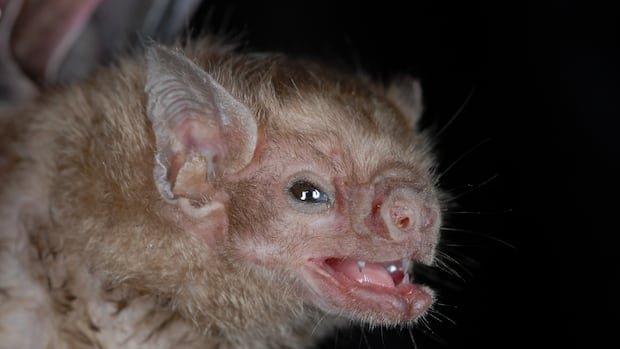

Scientists have resolved the dispute over the origin of bats and revealed insights into the characteristics of early bats through a comprehensive study involving genomes from all 21 modern bat families and a comparison with numerous fossil bats.
According to a recent study published in the journal Nature, the earliest bats likely emerged in Europe approximately 65 million years ago. Previous debates speculated on potential origins from Asia, Africa, or North America, but the scarcity of fossils hindered conclusive answers, as noted by Sonja Vernes, the senior author of the study and head of the Bat1K consortium.
Vernes explained that due to bats’ flying nature, they have dispersed globally over millions of years, crisscrossing continents. By sequencing genomes from 103 bat species, analyzing their traits and genes, and utilizing advanced computational techniques, researchers uncovered that ancient bats had 26 chromosomes and evolved around 65 million years ago following the extinction of dinosaurs.
Echolocation emerged early in bat evolution, with the analysis pinpointing the fossil bat Vielasia, which lived 50 million years ago and exhibited bone structures conducive to echolocation, as a crucial link in the bat family tree. The study identified 1,500 bat species worldwide, representing a significant portion of mammal diversity, and elucidated the relationships among the 21 bat families.
The global availability of the study’s data has sparked excitement among researchers like Vernes, who aims to explore the genomic insights for potential applications in human health. Bats’ exceptional longevity and resilience to viral diseases have long intrigued scientists, with hopes that genomic studies may unlock the secrets behind these traits and inspire innovative healthcare treatments.
Beyond their biological significance, bats play vital ecological roles, from pollination to insect control, highlighting their importance in maintaining ecosystem balance. The study’s collaborative effort, involving 600 researchers worldwide and contributions from various countries, exemplifies the vast scope and impact of genomic research in unraveling the mysteries of bat evolution and behavior.