

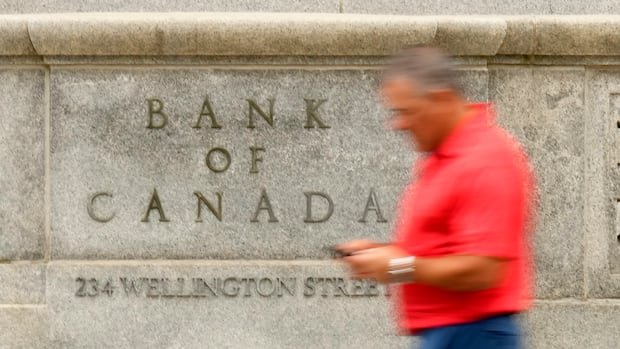

Bank of Canada Governor Tiff Macklem has expressed concerns about the increasing risk of inflation, particularly due to escalating energy costs and retaliatory tariffs on U.S. goods. Following the central bank’s decision to maintain the benchmark interest rate at 2.25 per cent, Macklem emphasized the potential impact of these factors on consumer and business prices. The ongoing conflict in the Middle East, leading to a surge in oil prices, poses a significant threat, according to Macklem.
Despite affirming a strengthening economic recovery, the Bank of Canada acknowledged that the conflict in the Middle East and U.S. tariffs could elevate inflation risks. Notably, U.S. oil prices have risen by approximately 13% since the previous bank announcement in July, partly attributed to disruptions in oil transportation through the Strait of Hormuz.
Furthermore, the Canada-U.S. trade dispute has intensified, with recent tariff impositions by both countries. Canada is set to implement dollar-for-dollar tariffs on $27.6 billion worth of U.S. goods in response to U.S. tariffs on Canadian products. To support affected sectors, the Canadian government unveiled a $7.5 billion economic relief program, supplementing existing tariff support measures.
Macklem expressed concern over the inflation rate, which reached 3% in July, primarily driven by elevated gasoline and oil prices influenced by the Middle East tensions. Analysts anticipate the Bank of Canada’s forthcoming economic forecasts in October to guide potential rate hikes. While uncertainties surrounding trade relations persist, experts foresee limited rate adjustments in 2026, closely monitoring oil and trade dynamics.
In the bond market, longer-term rates, influenced by global trends, have seen fluctuations, with Canada’s yield curve trailing U.S. treasuries. Amid market volatility, Bank of Canada officials emphasize the importance of monitoring investor risk repricing and liquidity concerns. The benchmark 10-year Government of Canada bond yield surged to 3.80%, recording a two-year high. Economists widely anticipate the bank to maintain its key rate in the upcoming October announcement.