

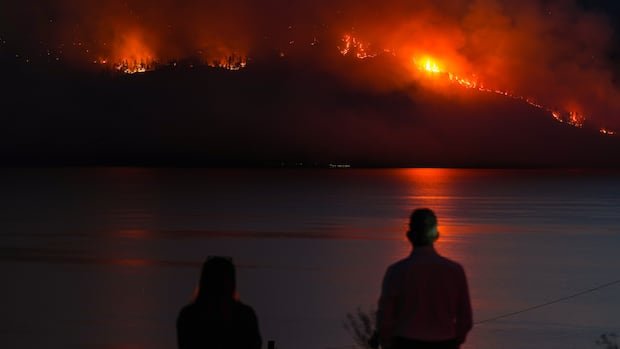

A powerful El Niño event, known as a “super” or “Godzilla” El Niño, is currently underway in the Pacific Ocean, disrupting global weather patterns. This occurrence comes at a time when many regions are already experiencing record-breaking heat. July marked the hottest month on record for North America and Europe, leading to severe heatwaves, numerous heat-related fatalities, depleted rivers, and extensive wildfires, with Canada alone witnessing over 4.1 million hectares of forest engulfed in flames.
Although the onset of El Niño coincided with these extreme weather events, climate scientists clarify that it is not directly responsible for the current disasters. Instead, experts suggest that the natural phenomenon may exacerbate the already intensified extreme weather conditions caused by human-induced climate change.
According to NASA’s climate scientist Josh Willis, the impacts of this El Niño are expected to be widespread and significant. This event, reminiscent of past powerful El Niños in 2015-16 and 1997-98, could potentially reshape weather patterns across various regions. Scientists are closely monitoring the situation, emphasizing the need for further research to understand the full extent of this phenomenon.
El Niños typically occur every three to seven years, characterized by a rise in sea surface temperatures in the equatorial Pacific region. This warming of ocean waters influences atmospheric conditions, leading to a reversal of weather patterns, with wet regions experiencing droughts and vice versa.
Current models predict that this El Niño could result in a warmer winter for Canada and the northern U.S., affecting precipitation levels and snowpack accumulation. The southern U.S. is anticipated to have a wetter winter season as a result of this climatic phenomenon.
In addition to altering weather patterns, El Niño is also impacting regions such as Peru, Ecuador, Panama, and Indonesia. These countries are facing various challenges ranging from heavy rains and flooding to prolonged droughts and wildfires, highlighting the diverse effects of this weather event.
As El Niño continues to unfold, experts warn that its influence will persist well into 2027. The combination of this powerful El Niño event with the ongoing global climate change poses challenges and uncertainties, necessitating continued monitoring and research to understand and mitigate its long-term impacts.