

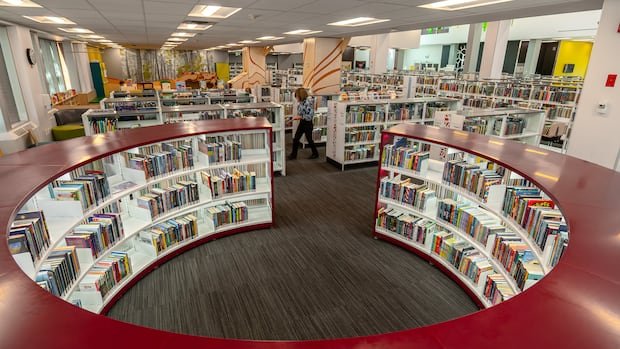

Less than five months remain for libraries in Alberta to meet new regulations regarding their collections. Some librarians are concerned about the workload and potential costs associated with complying with the restrictions. The regulations, stemming from Bill 28, require Alberta’s public libraries to limit access to materials containing visual depictions of sexual acts, such as books, graphic novels, magazines, films, TV series, and video games. Individuals under 15 years old are now restricted from using or borrowing these materials without parental consent.
By January 1, libraries must determine what materials to restrict, where to store them, and how to control access. Lesley Moody, manager of the Olds Municipal Library, highlighted the complexity of the task, especially for libraries with extensive collections. Moody estimated that her library’s staff would need around 600 hours and $15,000 to review just the graphic novels in their possession.
The cost and effort increase significantly when considering DVDs, video games, and other image-containing materials. Libraries may need to invest in new shelving units for restricted items and establish new procedures for children’s library cards and parental permissions. Moody expressed confidence in her staff’s ability to manage the review process without closing to the public, but smaller libraries might face closure to comply with the regulations.
The province plans to release guidelines this month to aid libraries in adjusting or creating policies in response to Bill 28. Questions linger regarding the application of restrictions to educational materials, historical books with explicit imagery, and the reliance on ratings for films and video games. Libraries are also expected to extend restrictions to e-books and audiobooks, raising concerns about access to online resources.
Bill 28 aims to prevent children from encountering explicit content in libraries, emphasizing access control rather than censorship. Libraries have historically curated collections based on age-appropriateness and have processes in place to address complaints. However, some librarians worry that the new regulations could lead to certain materials becoming less visible or stigmatized.
The bill also expands the authority of inspectors to oversee library management, administration, and operations. While the province assures that inspections are intended to resolve issues rather than punish, some library managers fear a loss of local decision-making autonomy. Critics argue that the restrictions could impede freedom of expression rights for young library users and may set a precedent for similar legislation in libraries nationwide.