

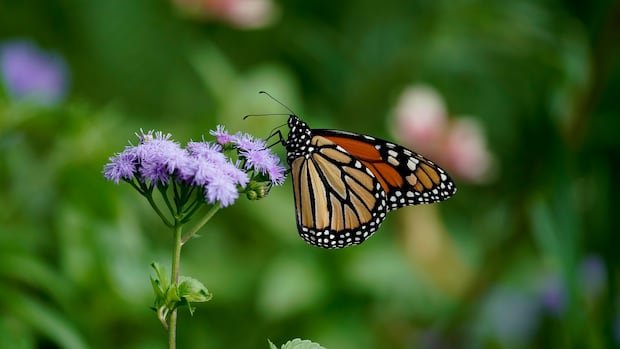

In La Broquerie, about 60 kilometers southeast of Winnipeg, MaryAnn Lepp experienced a notable increase in monarch activity in her garden this summer. She observed 20 caterpillars feasting on her swamp milkweed in a single day. This surge in monarch presence is not unique to Lepp, as many Canadian monarch enthusiasts are reporting similar sightings in their backyard milkweed patches, thriving due to favorable wet and hot conditions on the Prairie.
While experts cannot definitively attribute this boom to weather conditions, the rise in caterpillars, chrysalises, and monarch butterflies is a positive indicator for the federally endangered species. Marika Olynyk, curator of the Living Prairie Museum in Winnipeg, noted a significant presence of monarchs throughout the summer, emphasizing the importance of native plants like milkweed in supporting pollinators.
Despite efforts by individuals like Lepp to plant milkweed and native wildflowers, these habitats remain scarce compared to historical levels due to the conversion of grasslands into farmland. Habitat loss poses a significant threat to monarch populations, highlighting the urgent need for conservation measures.
In recent years, there has been a push to elevate the legal protection status of monarchs, with the species being classified as endangered in 2016. The federal government implemented regulations in 2023 to prohibit harming or capturing monarchs on federal lands. Monitoring monarch populations remains a challenge, with estimates based on the coverage of monarchs in wintering grounds in Mexico.
In addition to monarchs, efforts are being made to conserve other endangered species like the Poweshiek skipperling, which faces even greater odds of extinction. The Assiniboine Park Zoo plays a crucial role in breeding and releasing Poweshiek skipperlings to support their population recovery.
This summer has shown promising signs of progress, with increased sightings of both monarchs and Poweshiek skipperlings in areas where they were previously scarce. Conservationists attribute these positive trends to favorable weather conditions and ongoing conservation initiatives.
Looking ahead, initiatives such as placing radio transmitters on monarchs to track their migration south to Mexico aim to further support these delicate species. Enthusiasts like MaryAnn Lepp remain dedicated to nurturing caterpillars and chrysalises, underscoring the importance of collective efforts in preserving biodiversity and fostering harmony with nature.