


Voter turnout in Inuit communities during the 2025 federal elections experienced a decline, prompting calls from leaders for enhanced community engagement. A recent report by Elections Canada highlighted the estimated turnout in Indigenous communities during the 45th general election in April 2025.
Over the past three federal elections, voter turnout in Inuit communities decreased from 43.6% in 2019 to 30.2% in 2025, while the national turnout averaged 69.5% last year. However, the trend varied across regions.
In comparison to the 2021 federal election, voter participation among Inuit in the Inuvialuit region of the Northwest Territories and Nunavut increased by 7.5% and 1.6% respectively, maintaining a turnout rate of around 35%. Similarly, Inuit in the Nunatsiavut region of Newfoundland and Labrador saw a slight 2.5% drop from 2021.
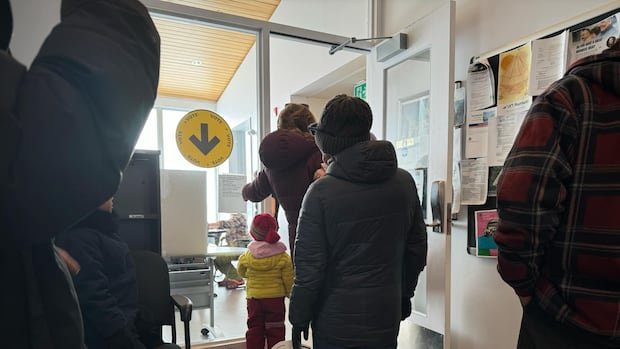
The notable disparity in 2025 was observed in Nunavik, part of the Abitibi–Baie-James–Nunavik–Eeyou riding in Quebec, where only 14.7% of Inuit voters turned out, nearly half of the 2021 rate. Elections Canada attributed this to early closure or non-opening of polling booths in most of the region’s 14 villages due to adverse weather and staff shortages.
Acknowledging shortcomings in prior outreach efforts, Elections Canada admitted to inadequate engagement with all Nunavik communities, including those with voting services. The agency declined a request for an interview from CBC News.
Pita Aatami, president of Makivvik representing Inuit in Nunavik, emphasized the need for election officials to actively engage with communities. He stressed the responsibility of officials to ensure proper voter engagement, expressing concerns over voter apathy. Aatami proposed making voting mandatory, akin to the census, to increase turnout and suggested exploring online voting as a means to facilitate participation. Ultimately, he underscored individual responsibility in the democratic process.