

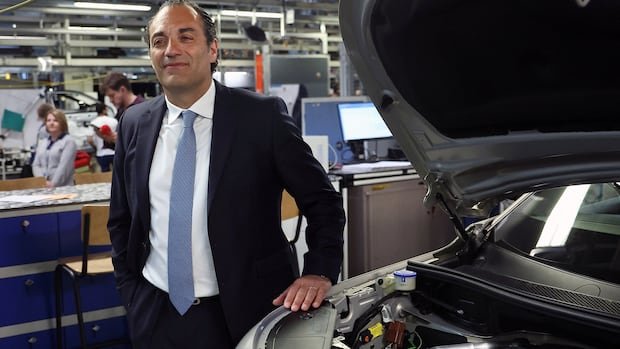

Stellantis CEO Antonio Filosa has emphasized the need for patience as the company undergoes a significant strategic transformation following the release of second-quarter results that fell below expectations. In a recent call with analysts, Filosa highlighted three key priorities: expanding market reach, reducing operational expenses, and enhancing product quality. Despite progress being made, Filosa acknowledged that addressing these challenges would require time and sustained effort.
Stellantis reported a 6% sales increase in North America, driven by strong performance in high-margin Ram pickup trucks and Jeep models. However, revenue in Europe remained flat due to competitive pressures necessitating price adjustments. To counter the rise of Chinese competitors, Filosa mentioned the company’s reliance on its Chinese joint-venture partner Leapmotor, which experienced a substantial sales surge in Europe.
The company’s second-quarter adjusted earnings before interest and tax reached $884 million, primarily fueled by robust revenue in North America. Although this figure marked a significant improvement over the previous year, it fell short of analysts’ expectations. Stellantis’ Milan-listed shares closed down by 4.31% following the announcement.
Citi analysts noted that the adjusted operating income margin remained low at 1.8%, citing factors such as price reductions in Europe, increased administrative and research costs, adverse currency fluctuations, and tariffs. Filosa’s strategic focus since assuming leadership has been on revitalizing sales and reclaiming market share, with an emphasis on the core business as the foundation for broader recovery.
Stellantis has adjusted its electrification goals and experienced a decline in its stock value since Filosa’s appointment as CEO. Despite this, the company remains committed to its full-year outlook, including expectations for mid-single-digit revenue growth and a low-single-digit adjusted operating income margin. Industrial free cash flow is projected to turn positive next year, with anticipated U.S. tariff costs between $1.15 billion and $1.38 billion for the current year.