


Canada’s economic growth in May soared by 0.3%, marking the second consecutive month of expansion and setting a promising pace for the economy in the second quarter, as per Statistics Canada. The growth exceeded the agency’s initial projection of 0.1% for the month.
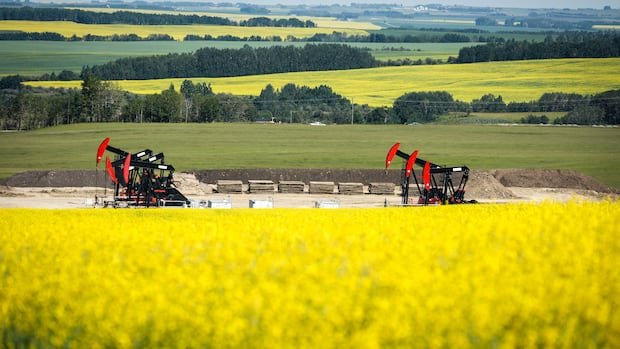
Statistics Canada reported that 13 out of 20 industrial sectors, including construction, manufacturing, finance, insurance, and the public sector, made significant contributions to the month’s economic gains. The mining, quarrying, oil, and gas extraction sector saw a 1% increase in May, leading growth for the second straight month. Notably, some maintenance activities typically scheduled for the month were either completed earlier or postponed, facilitating increased extraction activities.
Furthermore, the transportation and warehousing sector witnessed growth, driven by heightened natural gas transportation through pipelines. Real estate agencies experienced heightened activities in home sales, thereby boosting the real estate and rental and leasing sector.
An early estimate for June indicates a projected 0.2% expansion in the economy for that month. Additionally, with a slight upward revision of April’s GDP growth to 0.6%, the Canadian economy seems poised for a robust second quarter.
The latest data from Statistics Canada forecasts a 3.4% annualized increase in real GDP for the second quarter, reflecting a significant rebound following a minor contraction in the first quarter of the year. Despite concerns about a potential technical recession earlier in the year, BMO chief economist Doug Porter emphasized that the recent figures suggest the economy is still advancing steadily.
CIBC economist Andrew Grantham cautioned against drawing immediate conclusions from the quarterly numbers, citing the possibility of revisions and temporary factors influencing the GDP growth, such as accelerated oil maintenance and positive impacts from events like the FIFA World Cup. Grantham anticipated a slightly slower growth trajectory in the upcoming months, highlighting lingering economic slack and the likelihood of the Bank of Canada maintaining interest rates throughout the rest of the year.