

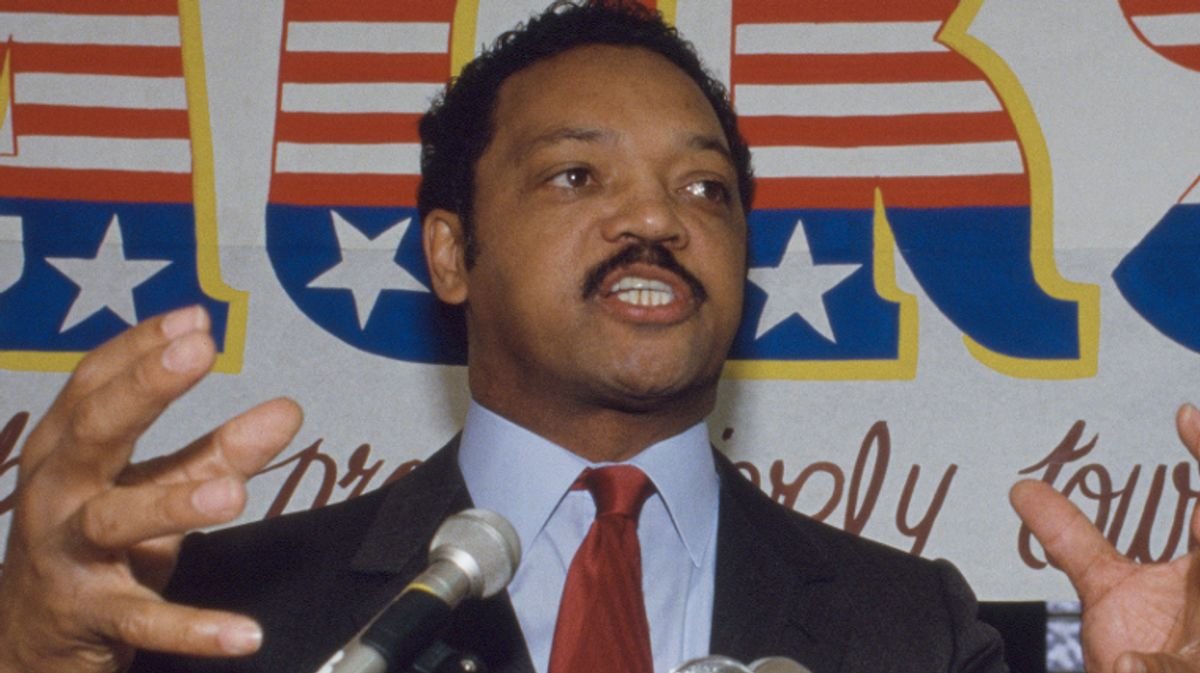

The passing of Jesse Jackson marked not just the loss of a man but also the end of a significant era in America.
In 2015, during his visit to Charleston, South Carolina, shortly after the tragic shooting at Mother Emanuel AME Church, Jackson’s presence served as a poignant reminder of his historical significance. As the city mourned the loss of nine Black worshippers, Jackson, though visibly aged, carried a message that remained as powerful and focused as ever.
Despite his physical decline, Jackson’s unwavering commitment to unity and responsibility shone through in his words. He viewed the Charleston tragedy not as an isolated incident of hate but as part of a broader struggle for inclusivity in America.
Throughout his life, Jackson championed a diverse “rainbow coalition” that included the marginalized and impoverished. Rising from challenging beginnings in South Carolina’s impoverished areas and deeply influenced by Martin Luther King Jr.’s assassination, Jackson’s journey spanned from the civil rights movement’s darkest moments to the historic election of Barack Obama.
Jackson’s legacy prompts a critical question following his passing at the age of 84: who will carry forward his vision of a united coalition? Jackson’s emergence after King’s assassination filled a crucial gap, embodying a distinct political approach rather than merely replicating his predecessor.
Recognizing that progress required more than rhetoric, Jackson engaged in activism, negotiations, and advocacy, becoming a prominent and sometimes controversial figure in American politics.
While his presidential bids in the 1980s did not secure the nomination, they demonstrated the viability of a multiracial coalition, influencing the future path for candidates like Barack Obama.
Beyond electoral achievements, Jackson’s greatest impact lay in fostering connections and rejecting narrow divisions. He warned against the resurgence of reactionary forces fueled by divisive politics, emphasizing the common ground shared by diverse communities.
Jackson’s passing raises concerns about the current state of America, marked by heightened polarization and fragmented unity. His ability to bridge street activism and institutional politics is a rare trait that is sorely missed in today’s landscape.
Despite his imperfections, Jackson’s legacy is defined by his tireless efforts to address inequality and inspire unity across racial and economic divides. His belief in the potential of marginalized communities to find common ground remains a lasting testament to his enduring influence.
As America navigates a complex social and political terrain, the absence of Jackson’s voice leaves a void that challenges the nation to uphold his legacy of resilience and hope.