


Driverless cars, often depicted in futuristic movies, are inching closer to becoming a common sight on London’s streets. Waymo, an American robotaxi operator, has chosen London as its debut European city for autonomous cab operations, sparking both excitement and apprehension. Plans are underway to secure approval from Transport for London to kickstart driverless rides as early as next year. Additionally, Uber is eyeing a similar driverless service in the UK down the road.
Recent tests conducted in December saw Waymo’s self-driving Jaguar I-Pace cars navigating London’s roads, including crossing the iconic Abbey Road zebra crossing. Many are curious about how the driverless service operates and may feel a bit uneasy about riding in a car without a human driver.
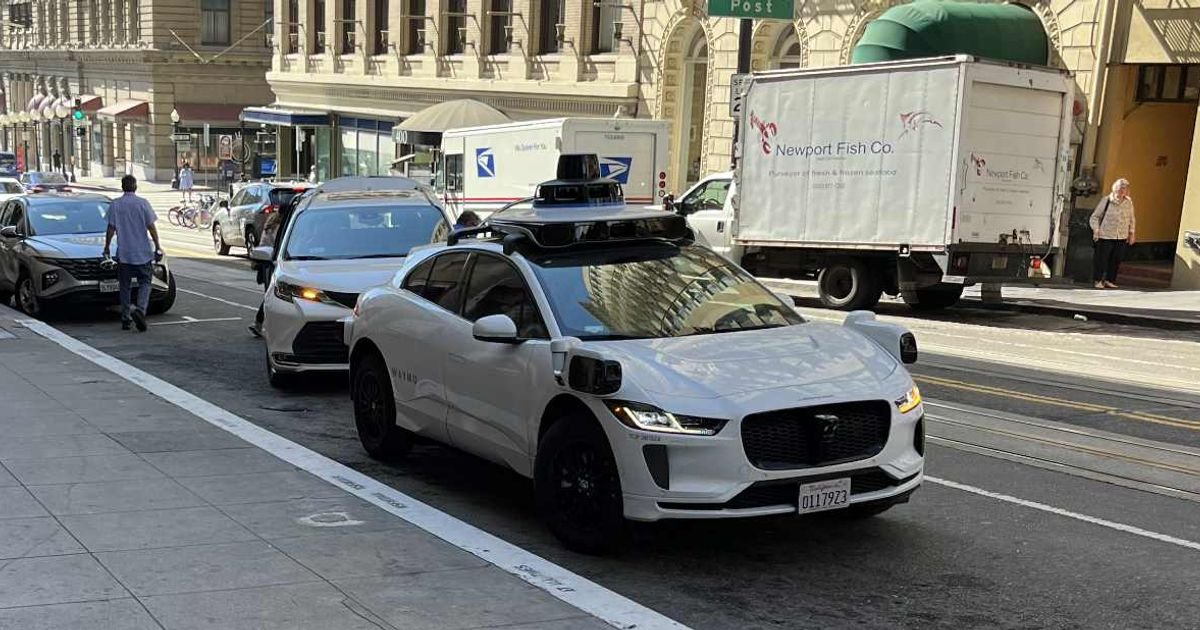
Having experienced Waymo’s services in San Francisco and Los Angeles, I can share insights for those considering taking a driverless taxi in London. In San Francisco, Waymo operates a fleet of tech-enhanced Jaguar I-Pace cars, offering passengers a unique and seamless ride-hailing experience.
Booking a ride with Waymo involves using a mobile app to summon a car, with the assigned vehicle waiting in a designated zone near the passenger’s location. The app serves as a key to unlock the robotaxi and access its features, including customizing the rooftop antenna’s color scheme with the passenger’s initials. Once inside the car, passengers are greeted with soothing music and a comfortable setting, akin to a spa ambiance, designed to ease any initial nerves.
Safety regulations dictate that passengers must be at least 18 years old, and all rides are monitored via video recording with a support team available for assistance if needed. Pricing comparisons suggest that Waymo’s services may be more cost-effective than traditional ridesharing options due to operational efficiencies.
While onboard, passengers must adhere to standard safety practices, such as wearing seatbelts and refraining from smoking, vaping, or consuming alcohol. Waymo ensures cleanliness by conducting routine cabin checks post-ride and addressing any issues promptly at their depot facilities.
Despite the impressive technology behind driverless cars, challenges may arise, such as encountering obstacles like stray animals on the road. Waymo’s fleet response team is equipped to handle such situations, providing real-time support to ensure passenger safety and vehicle navigation.
As autonomous vehicles edge closer to becoming a mainstream mode of transportation, concerns linger about the impact on traditional taxi services and the overall road experience. Waymo’s innovative approach and commitment to safety and customer experience signal a potential shift in the future of urban transportation.
To learn more about Waymo’s remote support system and its cutting-edge technology, visit the company’s official website.