

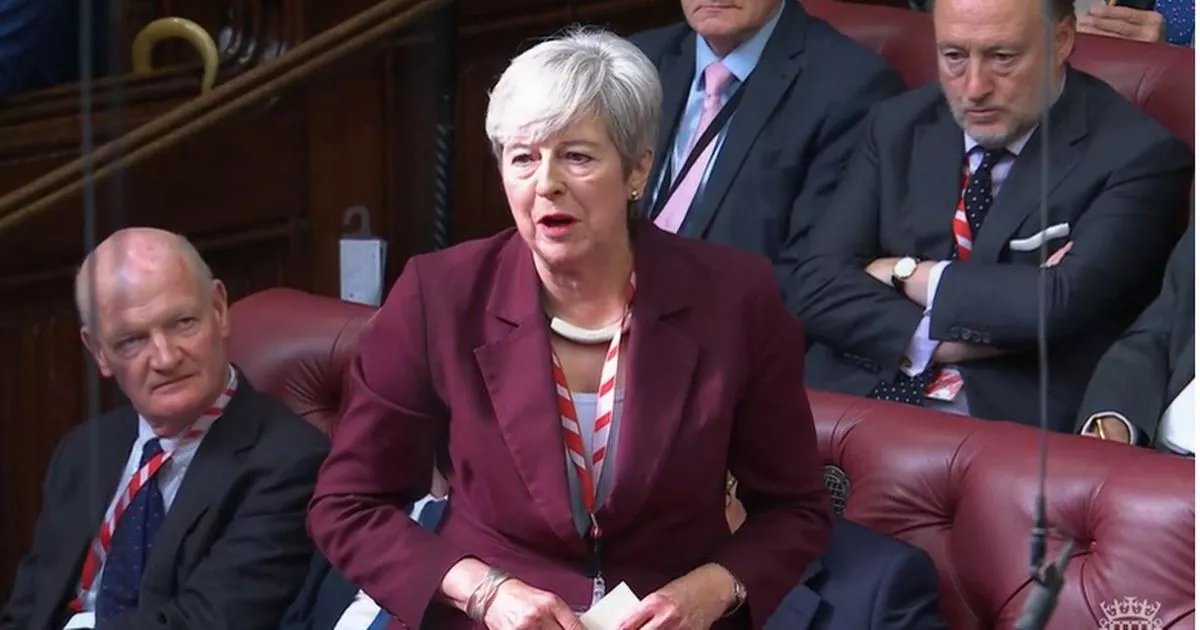

In a passionate debate, Theresa May has strongly opposed the assisted dying Bill, arguing that it conveys the wrong message about suicide. The former Conservative Prime Minister, now known as Baroness May of Maidenhead, expressed concerns in the House of Lords that individuals might feel pressured to end their lives under the proposed legislation. She also suggested that it could be misused to cover up medical errors in hospitals.
Advocates of the bill, which aims to grant terminally ill individuals with less than six months to live the option to choose assisted death, are urging peers not to obstruct its progress. Dame Esther Rantzen, in a heartfelt plea, emphasized the importance of being able to bid farewell to loved ones and have a peaceful passing.
The House of Lords is currently deliberating on the groundbreaking Terminally Ill Adults (End of Life) Bill, previously endorsed by Members of Parliament with a narrow majority. Labour’s Lord Charlie Falconer, leading the debate, criticized the existing laws for causing unnecessary suffering and lacking compassion and safeguards.
Opposing the proposed legislation, Baroness May argued that it promotes assisted suicide rather than assisted dying. She stressed the societal belief that suicide is morally wrong and expressed concerns about potential coercion leading individuals to end their lives. The debate exposed significant divisions among peers, highlighting the complexity of the issue.
Supporting the bill, Conservative peer Lord Michael Forsyth shared a poignant anecdote about his father’s agonizing death and how it influenced his change of stance on assisted dying. He emphasized the importance of granting individuals the autonomy to decide their end-of-life choices.
If enacted, the legislation would enable terminally ill adults in England and Wales, with a life expectancy of less than six months, to request assisted death. The process would involve approval from two medical professionals and a panel comprising various experts.
For those seeking emotional support, the Samaritans helpline is available 24/7 at 116 123, or contact via email at jo@samaritans.org, visit in person, or access their website.