

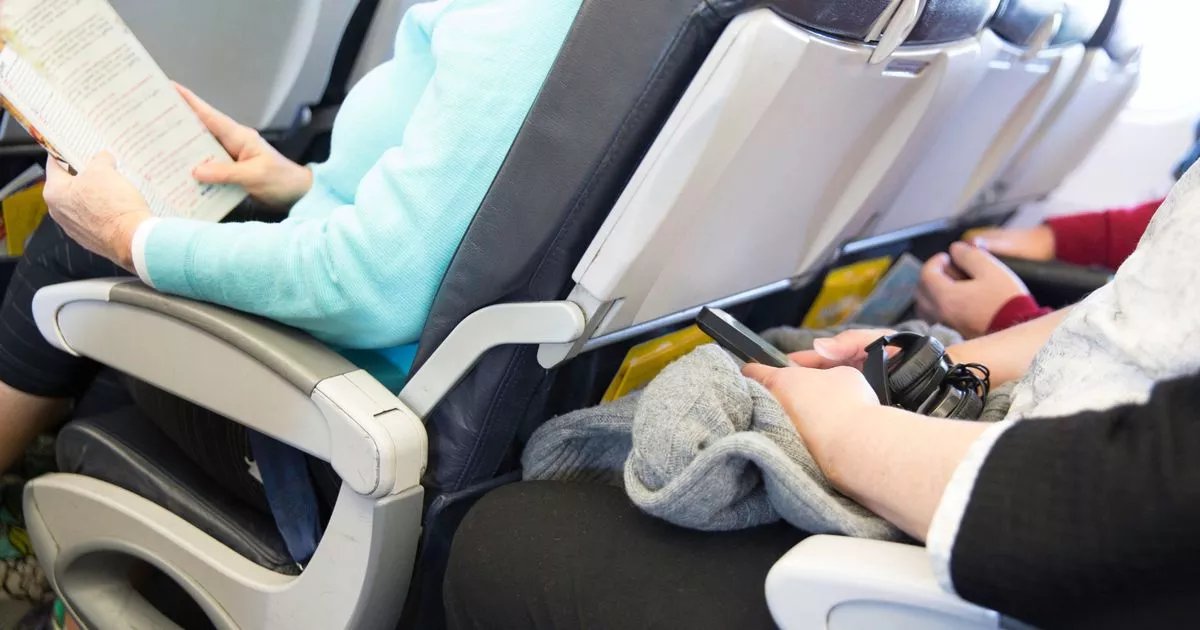

A warning has been issued by a physiotherapist advising against a common sitting position while preparing for a flight. Coping with the uncomfortable, minimally padded seats found on low-cost airlines like Ryanair, easyJet, and Wizz Air can be challenging, especially with limited legroom. Crossing your legs, though it may seem polite and sophisticated, can lead to joint problems and hinder blood flow, increasing the risk of deep vein thrombosis (DVT).
DVT is the formation of a blood clot in a deep vein, potentially obstructing blood flow, often associated with prolonged immobility during long-distance travel. The incidence of DVT is estimated to be 1 in 1000 annually, but the risk doubles to quadruples after flights exceeding four hours. To mitigate this risk, keeping your legs elevated and adopting different relaxing positions is recommended. Elevating your legs slightly using the footrest in front of you can help reduce the likelihood of DVT and prevent stiff knees upon arrival at your destination.
Experts at Netflights suggest several strategies to make long-haul flights more comfortable, including taking a stroll every one to three hours to combat stiffness and encourage circulation. Simple actions like walking around the cabin or stretching while seated can help maintain vitality and prevent discomfort, especially on flights lasting more than four hours. Stretching exercises such as neck rotations, shoulder movements, and spine twists can be beneficial for maintaining flexibility and reducing stiffness during the flight.