

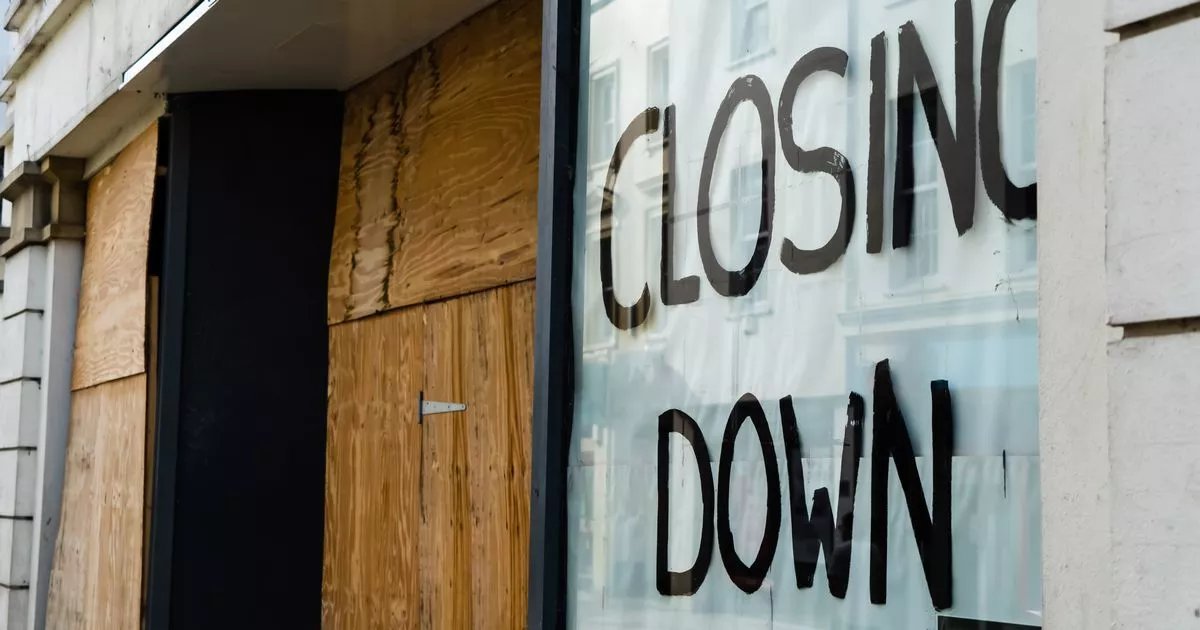

Lakeland is preparing to shut down another of its stores in the coming month. An employee at the Reading branch revealed to the Reading Chronicle that the store is scheduled to close on August 8.
According to reports, the store has initiated an “everything must go” sale, with “closing soon” signs displayed in the windows.
The news has sparked reactions from shoppers on social media. One individual expressed disappointment, stating a preference for shopping in-person rather than online for Lakeland’s kitchen and homeware products.
Another social media user lamented the changing landscape of Reading’s shopping scene, commenting on the diminishing variety of shops.
In response to the closure, one shopper questioned the future retail landscape, speculating if only coffee and vape shops would remain. Another person lamented the impending closure, voicing a preference for physical shopping experiences over online purchases.
Furthermore, a customer noted the impact on staff, reporting that employees were saddened by the news of being made redundant.
This closure follows Lakeland’s recent shutdown of its stores in Syon Park, West London, and Eastgate Shopping Centre, Inverness, which relocated to the Simpsons Garden Centre in March.
Established in 1964 as Lakeland Plastics by Alan Rayner, the company, now headquartered in Windermere, Cumbria, operates nearly 60 stores across England, Scotland, Wales, and Northern Ireland.
In a similar move, Asda announced plans to close its Anchor Retail Park branch in Stepney Green, jeopardizing 50 jobs due to commercial viability concerns.
Poundland has also unveiled intentions to close 68 stores and two warehouses, affecting over 1,300 jobs, following its acquisition by investment firm Gordon Brothers for £1. The company plans to reduce rents at various locations as part of its restructuring strategy.
Owned by Pepco Group, Poundland operates approximately 800 stores in the UK and employs around 16,000 individuals. The company reported a 6.5% decline in revenues to €985 million (£830 million) for the six months ending in March compared to the previous year.