

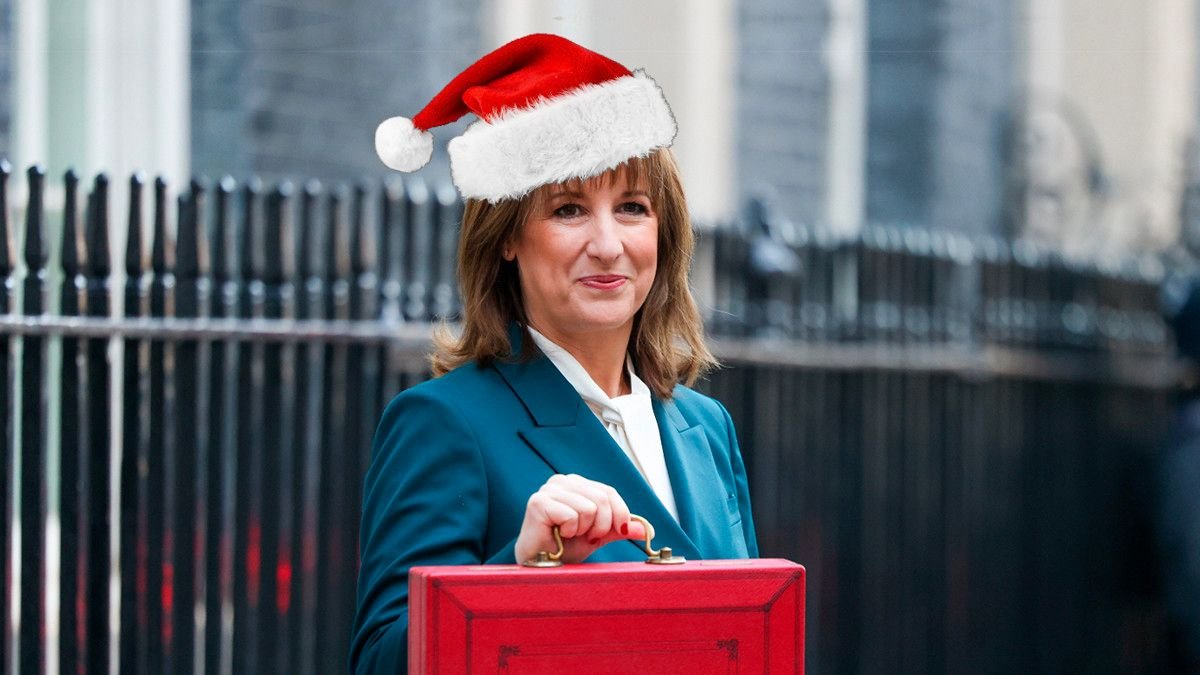

In a significant move during the recent Budget announcement, Labour’s Gordon Brown commended Rachel Reeves for positively impacting the lives of 450,000 underprivileged children in the UK, contrasting her actions with the inaction of previous Conservative leaders who reportedly harmed vulnerable children over a 14-year period.
Rachel Reeves, serving as Chancellor of the Exchequer, showcased a mix of tough decisions and compassionate measures in the Budget. Notably, the highlight was the substantial support provided to numerous young individuals. Alongside this, initiatives such as a £150 reduction in household fuel bills, an increased minimum wage, and adjustments in rail fares and prescription charges in England aimed at easing the financial burdens on workers and families.
The November 2025 Budget marked a pivotal moment for the UK Labour Government, as it eliminated the controversial two-child benefit policy introduced by the Tories, which included intrusive eligibility tests. Despite this positive step, Labour faces an uphill battle in changing the minds of voters who may hold conservative views on parenting and financial responsibilities.
The discussion surrounding child benefits is crucial, especially considering that a significant portion of the beneficiaries come from working households, debunking the misconception of widespread welfare dependency perpetuated by the Tories. Gordon Brown’s persistent advocacy against the two-child benefit cap, supported by like-minded Labour MPs, has been instrumental in driving this policy change.
Rachel Reeves, who initially hesitated due to the financial implications, ultimately championed the cause and transitioned from a conservative stance to a more compassionate approach, symbolized by the anti-child poverty measures in the Budget. While freezing tax thresholds for an extended period will impact earnings, it is forecasted that living standards will continue to rise gradually under the new Labour administration compared to the previous Conservative government.
The reaction from the Conservative camp, particularly towards the improved prospects for working-class children and the additional contributions from high-value property owners, sheds light on the divisive nature of British politics. Despite potential repercussions for Reeves, including the premature leak of the Budget report, her decision to rectify the injustice of the two-child benefit policy deserves recognition and praise.
Overall, the Budget signifies a shift towards a more equitable society under Labour’s governance, with a majority of households projected to benefit from increased public spending. It underscores the fundamental choice in politics of whose interests are prioritized, highlighting the ongoing ideological divide between the progressive and conservative factions.