

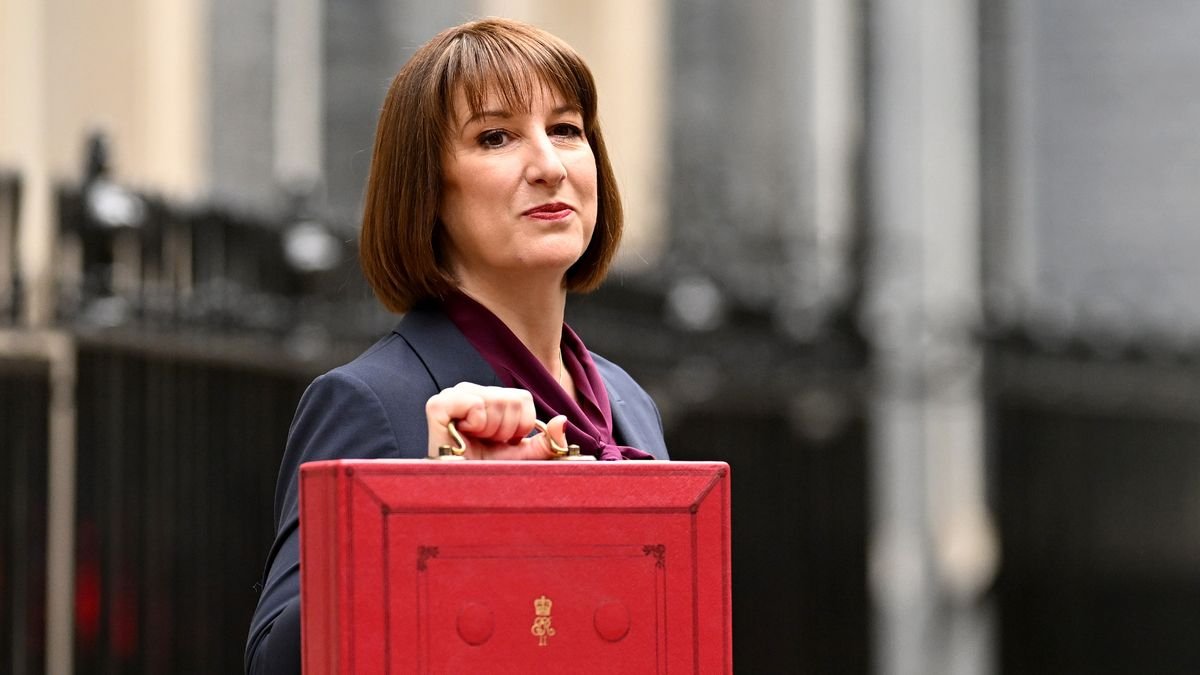

Chancellor Rachel Reeves is gearing up to present a crucial Budget next week, with much anticipation surrounding potential tax adjustments to address a significant deficit in public finances. Recent indications suggest a likelihood of tax hikes as the Chancellor emphasized the collective responsibility to contribute. Despite initial considerations of breaking a vow not to raise income tax, improved forecasts have reduced the projected deficit to approximately £20 billion, a more optimistic scenario compared to earlier estimates.
The upcoming Budget announcement on November 26 will shed light on potential changes, including a possible extension of the freeze on income tax thresholds for an additional two years beyond the original 2028 deadline. This move, often criticized as a stealth tax, could lead to more individuals falling into higher tax brackets as their incomes rise.
Additionally, the Budget is expected to address the minimum wage, with proposed increments aimed at benefiting millions of workers. Discussions are underway to potentially raise the minimum wage to around £12.70 starting April 2026, representing a 4% increase from the current rate.
Efforts to alleviate the cost of living for struggling individuals may involve measures to reduce household energy bills. Suggestions include eliminating the 5% VAT on energy bills, which could save consumers an average of £80 per year. Furthermore, considerations to abolish the two-child benefit limit, a controversial policy introduced in 2017, are gaining momentum, with a focus on alleviating child poverty.
In the realm of taxation, potential adjustments include revising gambling taxes to raise funds for social welfare initiatives. Proposals to increase levies on betting companies, particularly online operations, could generate substantial revenue to support the elimination of the two-child benefit limit and lift numerous children out of poverty.
Moreover, pension-related changes are anticipated, with plans to introduce a yearly cap of £2,000 on pension savings through salary sacrifice schemes. While this measure aims to enhance tax efficiency, concerns have been raised about potential drawbacks, such as reduced retirement savings for individuals or the possible closure of pension schemes by employers.
As the Budget approaches, speculations are rife about the introduction of new taxes on high-value properties and potential adjustments to tobacco and alcohol duties. The government may also explore empowering local leaders to implement tourist taxes for overnight stays, providing additional revenue streams for public services.
Despite challenges associated with fuel duty adjustments, there are discussions about a pay-per-mile charge for electric vehicle owners in the future. These potential changes underscore the complex balancing act the Chancellor faces in navigating fiscal policy to address economic challenges and meet social welfare needs.