

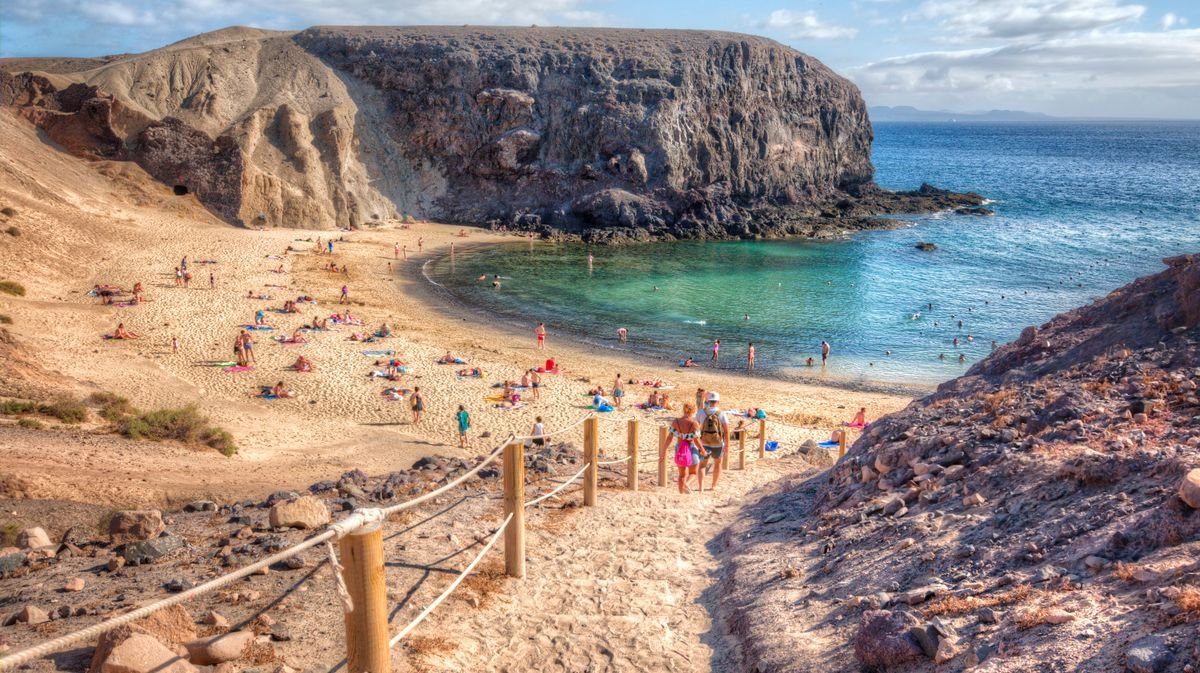

The Canary Islands have been added to a significant ‘avoid traveling’ list due to prolonged objections regarding excessive tourism. The Spanish archipelago, located off the coast of Africa, has been included in Fodor’s ‘No List’ for 2026, an annual publication that aims to draw attention to destinations facing unsustainable tourism pressures. The Canaries experienced a surge in visitors, with 7.8 million arrivals and over 27 million airport passengers processed in the first half of 2025, marking a 5% increase from the previous year.
Local residents expressed frustration with the continuous influx of tourists, leading to protests in Tenerife, Gran Canaria, and Lanzarote under the slogan “Canarias tiene un límite” (The Canaries have a limit). The surge in tourism, coupled with rising housing costs and environmental concerns, poses a threat to the island’s way of life.
The issue is complex as tourism contributes significantly to the Canary Islands’ economy, accounting for over a third of its GDP and employing around 40% of the population. Residents, like John Dale Beckley from CanaryGreen.org, have voiced concerns over the impact of tourism on the islands. The growing number of vacation rentals has led to increased traffic, inflated property values, and limited housing options for locals.
Environmental groups, such as Asociación Tinerfeña de Amigos de la Naturaleza, warn of the challenges in finding affordable housing due to the proliferation of vacation rentals, which have overcrowded the islands and diminished local spaces. The imbalance between tourist accommodation and local housing is evident, with more tourist beds than those for residents in six areas of the Canaries.
Critics argue that the Canary Islands, known for their biodiversity and remote charm, are struggling to cope with the high influx of visitors. Calls for sustainable tourism practices have been made, emphasizing the need for a shift in how tourism is managed in the region to preserve its natural beauty and local culture.
Apart from housing issues, the islands face agricultural challenges, with only 10% of the land cultivated due to arid conditions. The heavy reliance on imported food raises environmental concerns and highlights the need for sustainable agricultural practices to reduce carbon emissions and waste.
Efforts are being made by the regional government to address these issues, including regulations to limit short-term rentals in newly built properties and granting communities the authority to approve tourism-related activities. National reforms are also underway to give local communities a say in the use of apartments for tourism purposes.