

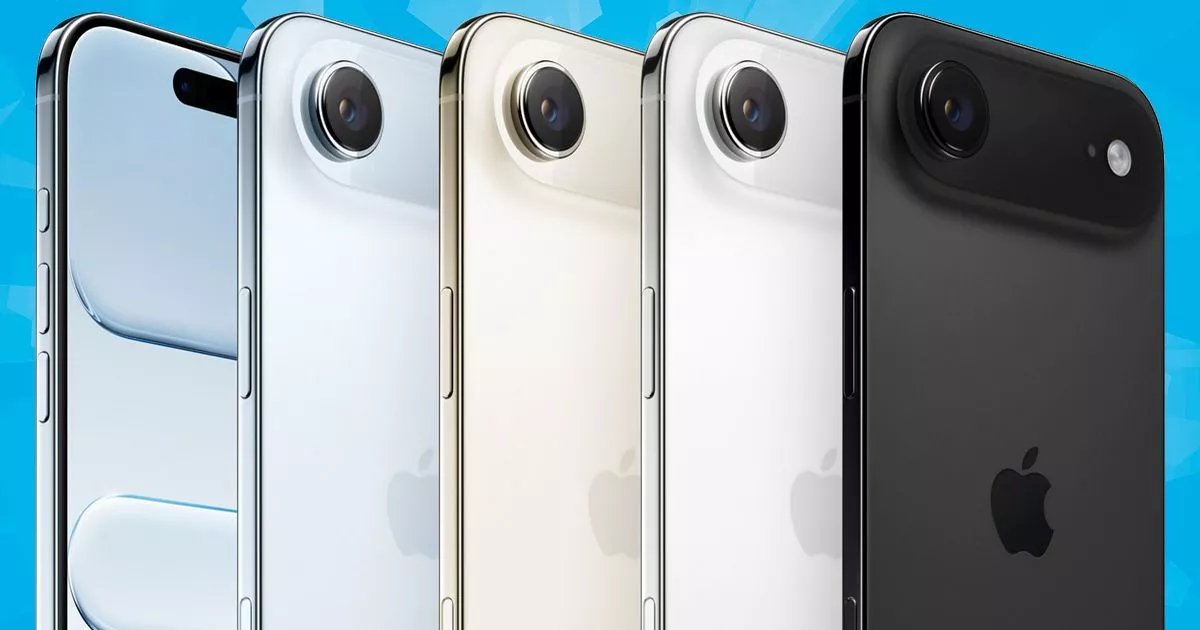

Apple has officially confirmed the launch of the new iPhone Air, living up to all the previous rumors. This latest addition to Apple’s lineup stands out for its unprecedented design and features. Having had the opportunity to experience the device firsthand at Apple’s keynote in Cupertino, California, here are five key points to consider before making your purchase.
Firstly, the iPhone Air boasts an incredibly slim profile, measuring a mere 5.6mm in thickness. Surpassing all previous iPhone models, including Samsung’s Galaxy S25 Edge, this ultra-thin design not only looks sleek but also feels remarkably lightweight and easy to handle in your hand. To truly appreciate its slimness, a visit to the local Apple Store upon its launch on September 19 is highly recommended.
Despite its slim build, the iPhone Air is constructed with durability in mind. Made from robust Titanium and featuring Apple’s latest Ceramic Shield 2 glass, this device is engineered to withstand substantial wear and tear. Apple claims that the iPhone Air surpasses its stringent bend strength standards and is more resilient than its predecessors, setting a high bar for durability in smartphones.
Under the hood, the iPhone Air is powered by the impressive A19 Pro chip, the same processor found in the top-tier iPhone 17 Pro models. This cutting-edge processor ensures seamless performance for all your digital tasks, including gaming on the go. Additionally, the device incorporates Apple’s N1 silicon, a new wireless networking chip enabling advanced Wi-Fi 7 and Bluetooth 6 connectivity for enhanced user experience.
In terms of imaging capabilities, the iPhone Air features a single rear camera setup, omitting additional lenses for ultra-wide or telephoto functionalities. However, the 48MP Fusion camera system offers various photography modes, including portrait mode and the ability to shoot 4K videos with Dolby Vision, delivering high-quality visuals despite the single lens setup.
One trade-off of the device’s slim design is its battery life. While Apple assures all-day usage, the thinner profile accommodates a smaller battery compared to the iPhone 17 Pro, leading to shorter battery longevity. To address this concern, Apple will release a portable power pack that attaches to the back of the iPhone Air for extended battery support.
Lastly, pricing for the iPhone Air starts at £999, positioning it as a premium offering above the standard iPhone 17 model priced at £799. As consumers weigh the device’s features and price point, considerations around battery life and camera setup may influence the decision-making process.