


The UK Foreign Office issued a travel advisory to multiple countries this morning due to significant concerns. Officials are worried about recent developments in a region that attracts many UK holidaymakers annually.
In the latest alert, popular vacation spots like Turkey, Dubai, Cyprus, and Egypt have been highlighted, with officials recommending travelers to exercise extra caution.
This warning comes after Iran suddenly closed its airspace to commercial flights for several hours early on Thursday amid ongoing tensions with the United States following violent crackdowns on protests in Tehran.
The airspace closure, which lasted over four hours according to guidance for pilots, impacted international airlines, forcing them to reroute their flights to avoid Iranian airspace. While the closure eventually ended, concerns remain about potential security threats in the region, including missile launches or increased air defense activities that could endanger civilian flights.
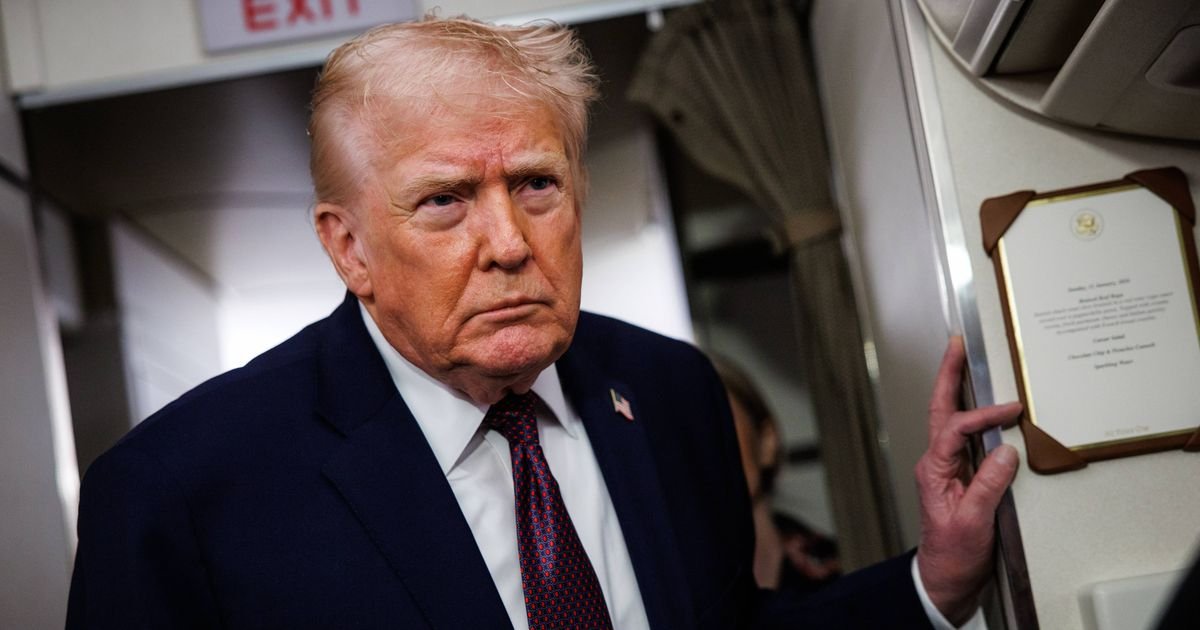
There are fears that any military actions by President Trump against Iran’s government could lead to escalating tensions in the region, resulting in violence and travel disruptions.
In today’s updated advisory, the Foreign Office stated, “There is a heightened risk of regional tension. Escalation could lead to travel disruption and other unanticipated impacts. British nationals should take sensible precautions, considering their own individual circumstances.”
Notably, Iran has previously mistakenly targeted civilian aircraft, as seen in the tragic downing of Ukraine International Airlines Flight PS752 in 2020, which resulted in the loss of all 176 passengers and crew.
As tensions escalate, certain staff at a key US military facility in Qatar have been asked to evacuate, and the American Embassy in Kuwait has advised personnel to temporarily halt visits to various military installations in the Gulf nation.
President Trump’s ambiguous comments have added to the uncertainty, with speculation about potential American actions against Iran. Meanwhile, both US and Iranian officials have made efforts to ease tensions and emphasize the importance of diplomatic solutions over military confrontation.
Amid ongoing unrest in Iran, concerns are raised about potential mass executions of prisoners, with the violent response to protests claiming numerous lives and drawing comparisons to the nation’s historical upheavals.
The softened rhetoric from both Washington and Tehran follows internal calls for swift punitive actions against protesters, raising fears of further violence and instability in the region.