

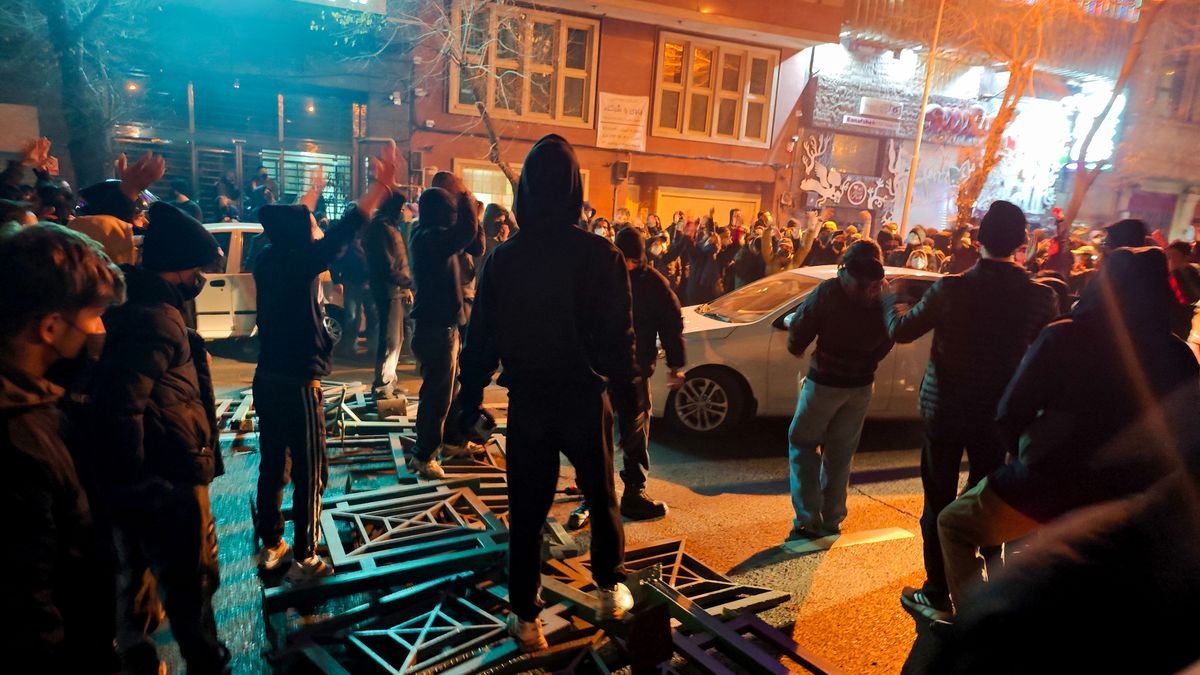

Violent turmoil in Iran has soared to new levels with a frightening internet shutdown, numerous deaths among protestors, and a pending execution of a demonstrator. A human rights researcher specializing in Iran’s political landscape has shed light on the impact of the blackout on citizens and their disconnected loved ones.
Stranded without contact with friends and family, many Iranians abroad are anxious, while the world anxiously awaits news as citizens endure violence and turmoil. Iranian officials have acknowledged that at least 2,000 people have lost their lives in the ongoing protests, marked by reports of street executions, shootings into crowds by troops, and brutal killings with police rifle butts.
The country witnessed widespread anti-government demonstrations last week, posing a significant challenge to Iran’s ruling regime. Security forces responded with a harsh crackdown, shutting down internet access and leading to a rising count of casualties. Among the victims is Erfan Soltani, a protestor facing imminent execution without legal representation. Another casualty is Rubina Aminian, a 23-year-old fashion student fatally shot during the authorities’ crackdown on January 8.
Describing the situation on the ground, a 25-year-old artist named Maryam, present at the Tehran protests, reported violent tactics used against protestors, including targeted attacks on eyes and motorbike-riding police forces. With the possibility of US intervention and President Donald Trump’s warnings, Amnesty International is calling for an end to the blackout to expose the human rights violations and crimes being perpetrated by Iranian authorities.
The ongoing protests against Iran’s Supreme Leader Ayatollah Ali Khamenei have led to a nationwide crisis not witnessed since the Woman Life Freedom uprising in 2022. The internet blackout, initiated on January 8, is seen as an attempt to conceal violations of international law and suppress dissent.
Rebecca White from Amnesty International emphasized the severe impact of the communication blackout on Iranians, depriving them of vital information and potentially life-saving resources. She highlighted the challenges in documenting abuses and holding perpetrators accountable due to the deliberate blackout.
As the situation unfolds, reports continue to emerge of security forces using lethal force against protesters, overwhelming hospitals with gunshot victims, and resorting to violent tactics to quell dissent. The intentional blackout of internet services in Iran is a known tool of repression used during times of conflict, elections, and mass protests, violating human rights and impeding access to crucial information.
Despite the Iranian government’s claims of pro-government demonstrations, the country remains embroiled in chaos, with international pressure mounting and the US considering tariffs and diplomatic options. President Trump’s stance on the crisis remains firm, with warnings of consequences for those responsible for the violent crackdown on protestors. The situation in Iran remains volatile, with diplomatic solutions being explored amidst escalating tensions.