


The House of Lords has agreed to extend the consideration period for the Assisted Dying legislation following accusations of attempts to obstruct its progress significantly.
There is growing concern among supporters of the bill that it may not successfully navigate all necessary parliamentary stages within the allocated timeframe. Following a motion in the Lords requesting additional time for deliberation on the bill, the decision to provide further consideration was reached unanimously after an extensive hour-long debate.
A small group of eight unelected Peers has introduced a majority of the 1,100 amendments causing delays in the process. Dignity in Dying has reported discussions of a potential “sweepstake” among opponents to predict minimal progress. Allegations have surfaced of an email circulating to gather suggestions for additional amendments.
Criticism has been directed at the House of Lords for perceived time-wasting actions that are damaging their reputation in the eyes of the public. While the Commons has twice supported the Terminally Ill Adults (End of Life) Bill, progress in the Lords since June 2025 has been sluggish, raising concerns about potential time constraints.
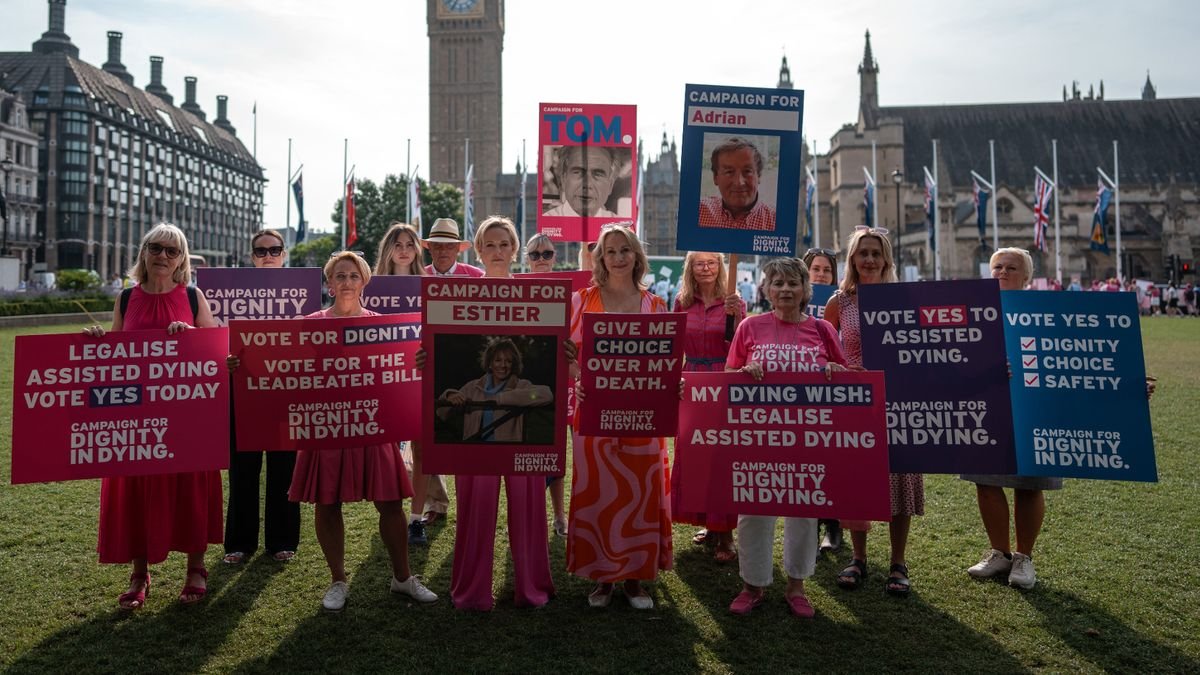
Campaigners have strongly condemned the House of Lords for their alleged efforts to impede the bill’s advancement. Louise Shackleton, who lost her husband to Motor Neurone Disease at Dignitas in December 2024, described the delay tactics as filibustering and undemocratic.
Lord Falconer, the Labour Peer overseeing the bill, emphasized the significant public interest and strong opinions surrounding the assisted dying legislation. He highlighted the mounting number of amendments and the slow pace of scrutiny in the Lords, warning that failure to reach timely conclusions could jeopardize the bill’s progress.
Despite previous scrutiny in the Commons, concerns have been raised about the Lords’ handling of the bill. Calls for additional time to prevent a potential lapse of the bill were supported by Baroness Butler Closs, who stressed the importance of upholding the House’s reputation.
While some Peers argued that the bill is poorly drafted and has received ample consideration, Shackleton emphasized the critical impact the bill could have on terminally ill individuals seeking compassionate end-of-life options. She expressed relief at the decision to allow more time for scrutiny and urged Peers to prioritize fair debate and timely action.