

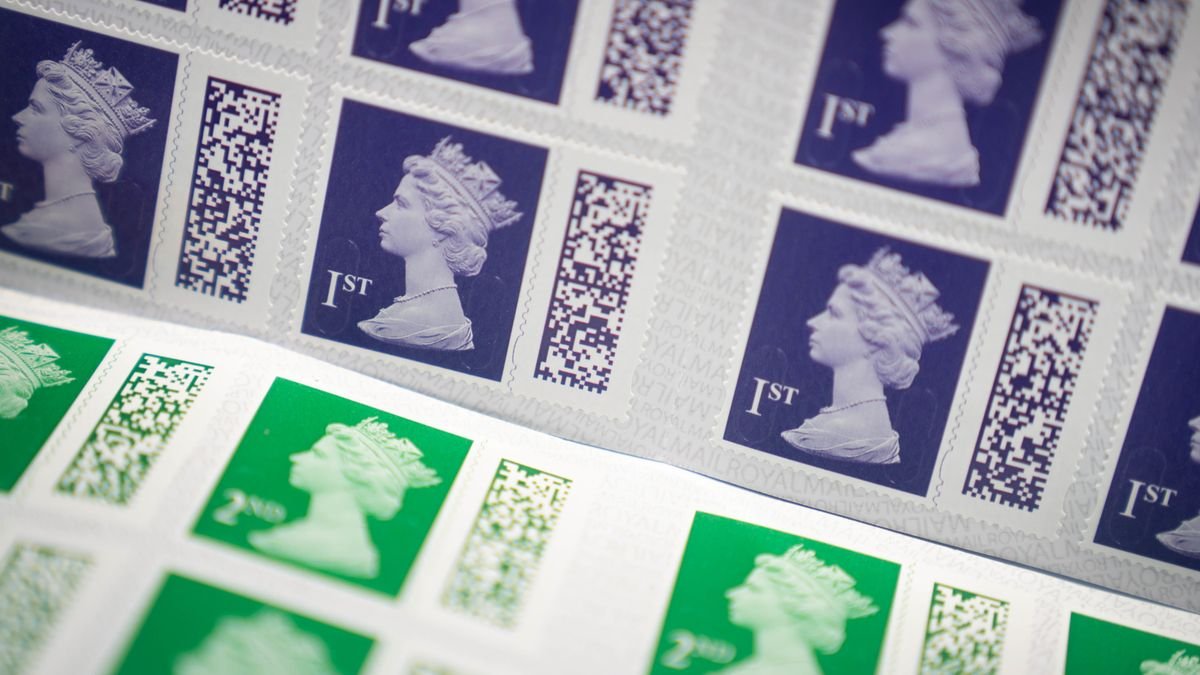

People receiving benefits may soon benefit from reduced prices on stamps as part of a proposed initiative by Ofcom. The regulatory body is considering implementing a discount program, akin to existing social tariffs that provide discounted mobile and broadband services to benefit recipients.
Over the past four years, the cost of a first-class stamp has surged from 85p to £1.70, while second-class stamps have climbed from 66p to 87p during the same period. Ofcom has initiated a review process and is seeking public input until December 5, 2025, with plans to release a consultation in early 2026. Royal Mail is responsible for setting stamp prices in the UK.
A spokesperson from Royal Mail stated that they will collaborate with Ofcom on the review process. The company carefully evaluates prices, aiming to maintain affordability while addressing the rising costs associated with providing universal postal services. They highlighted the intricate network involved in mail delivery, involving various modes of transport and thousands of postal workers.
Royal Mail recently faced a £21 million fine for failing to meet its annual targets for first and second-class mail deliveries. Despite requirements to deliver 93% of first-class and 98.5% of second-class mail punctually, the company achieved only 77% and 92.5% respectively in the 2024/25 financial year, leading to consecutive fines from Ofcom.
Ofcom has permitted Royal Mail to discontinue Saturday deliveries for second-class letters and transition to alternate weekday services in the near future. However, the company is obligated to maintain Monday to Saturday deliveries for first-class mail under its universal service obligation, ensuring second-class letters arrive within three working days.
Martin Seidenberg, the CEO of International Distribution Services (IDS), acknowledged the significant challenges ahead, extending into 2026. He emphasized the importance of getting the operational changes right to meet customer expectations effectively.
Royal Mail reported underlying earnings of £12 million for the year ending March 31, marking a considerable improvement over the previous year’s losses of £336 million. Despite this progress, including redundancy costs, the company still recorded underlying operating losses of £8 million.
As part of our commitment to transparency and user privacy, we and our partners use cookies and similar technologies to personalize content and ads, analyze site usage, and deliver tailored advertisements. You can manage your preferences regarding data sharing by clicking the “Do Not Sell or Share my Data” button at the bottom of the webpage. By using our website, you consent to the use of cookies as outlined in our Privacy Notice and Terms and Conditions.