

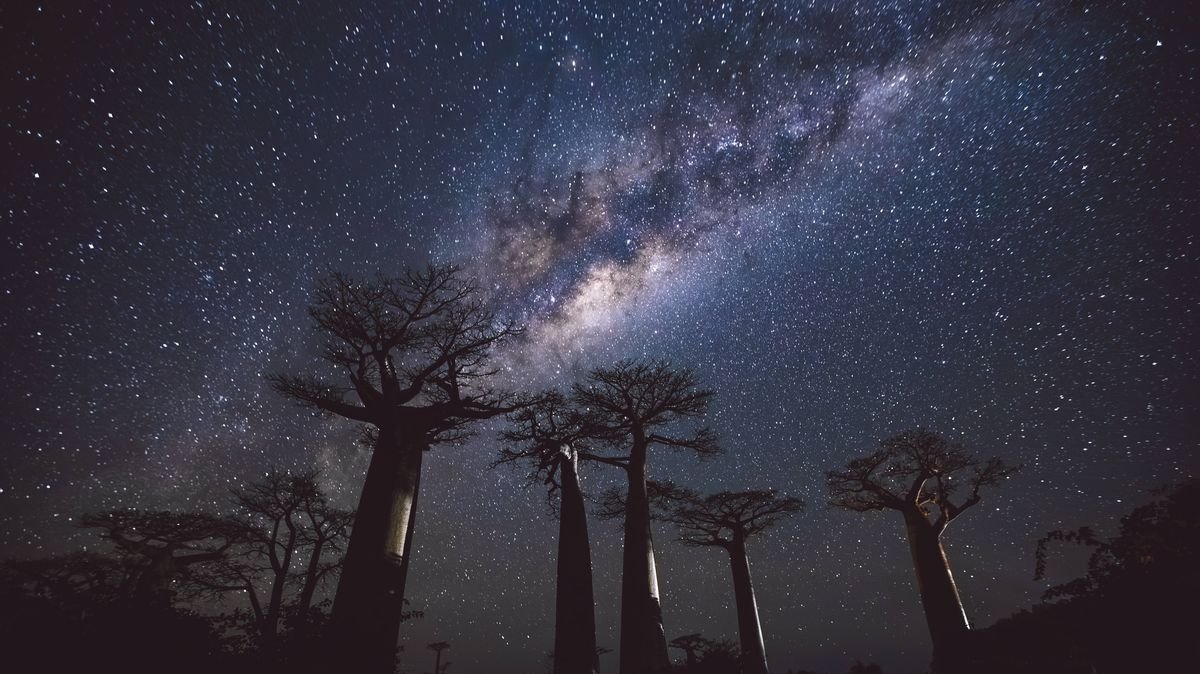

Madagascar, a vast island isolated geologically for millions of years, is often dubbed the “eighth continent.” Renowned for its unique biodiversity, Madagascar boasts around 90% of plants and animals that are exclusive to the island.
This African nation is a sanctuary for nearly 100 lemur species, diverse chameleons, over a hundred bird species found solely there, and seven types of baobab trees. The country’s diverse landscapes include rainforests, spiny deserts, and pristine beaches. Some experts argue that due to its abundant flora and fauna, Madagascar should be recognized as a continent in its own right, not just a country.
With an extensive coastline stretching 3,000 miles, Madagascar offers an array of stunning beaches. Popular spots like Île Sainte-Marie and Andilana Beach in Nosy Be are lauded for whale watching and picturesque settings. The remote beaches near Morondava and the unique beach and spiny forest scenery of Ifaty are particularly captivating.
The island’s diverse geography results in varying weather patterns across different regions. December and January are typically the hottest months, with coastal temperatures hovering around the high 20s, ideal for enjoying the crystal-clear waters.
Originating from the ancient supercontinent Gondwana, Madagascar separated from India around 88 million years ago, leading to the evolution of its endemic plant and animal species. The island’s distinct geography, with highlands dividing humid rainforests from arid regions, has shaped unique habitats for its wildlife. Despite facing threats like deforestation and climate change, Madagascar’s biodiversity continues to captivate visitors with its distinctiveness compared to mainland Africa.
Described as a paradise for nature enthusiasts by travel experts at Sundowner Holidays, Madagascar is renowned for its lemurs, with over 100 species and subspecies inhabiting the island. The region is also home to a plethora of unique reptiles, including a wide variety of chameleons and the fossa, a carnivore similar to a cat. Additionally, Madagascar boasts exclusive plant species, with six out of nine baobab tree species worldwide found solely on the island.
To fully experience the diverse flora and fauna of Madagascar, it is recommended to explore various regions during a single trip rather than staying in one location. The island’s unparalleled natural beauty, from lemurs in the canopy to unique plant species like baobabs, offers a glimpse into a world exclusive to Madagascar.
Traveling to Madagascar usually involves booking through a package provider or tour company due to limited direct flight options. Common flight routes include connections through cities like Paris and Johannesburg, with airlines like Kenya Airways, Ethiopian Air, and Air France being popular choices. Ivato International Airport in Antananarivo serves as the main entry point for visitors to Madagascar.