

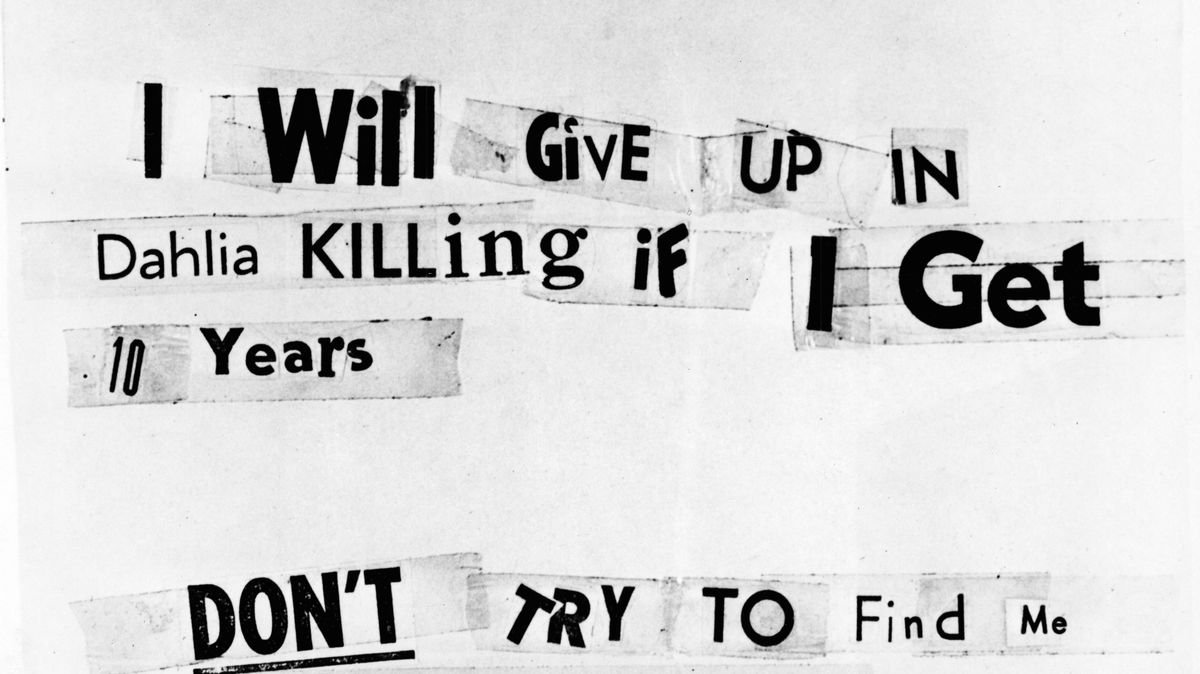

Seventy-nine years ago, on January 15, a shocking discovery in Los Angeles left a lasting impact, inspiring numerous works of art and literature. The case, known for its extreme violence and intimidating letters to the media, remains one of the most infamous unsolved mysteries in American history.
In 1947, a passerby found a woman’s body in a vacant lot in the Leimert Park neighborhood. The victim, later identified as Elizabeth Short, had been gruesomely mutilated and carefully arranged, with her body severed at the waist, drained of blood, and skillfully posed.
Short had suffered extensive injuries, including facial lacerations and blunt force trauma to her head and face, leading to her death from hemorrhaging and shock. The perpetrator showed a deep knowledge of anatomy by performing a precise hemicorporectomy to divide her body.
Despite a thorough investigation involving hundreds of law enforcement officers and extensive questioning of potential suspects, no one was charged due to a lack of conclusive evidence. The case attracted widespread attention from the media, which sensationalized Short’s death and personal life, labeling her as the “Black Dahlia.”
Numerous false confessions and taunting letters from the alleged killer added to the mystery surrounding the case. However, by 1947, authorities admitted they had reached a standstill in their investigation. Elizabeth Short was laid to rest in California, but her murder continues to intrigue true crime enthusiasts.
The tragic events surrounding Short’s death led to significant social and legal changes, including the establishment of a sex offender registry in California. Her story has been retold in various forms of media, such as books, films, and television series, further immortalizing the enigmatic figure known as the Black Dahlia.