

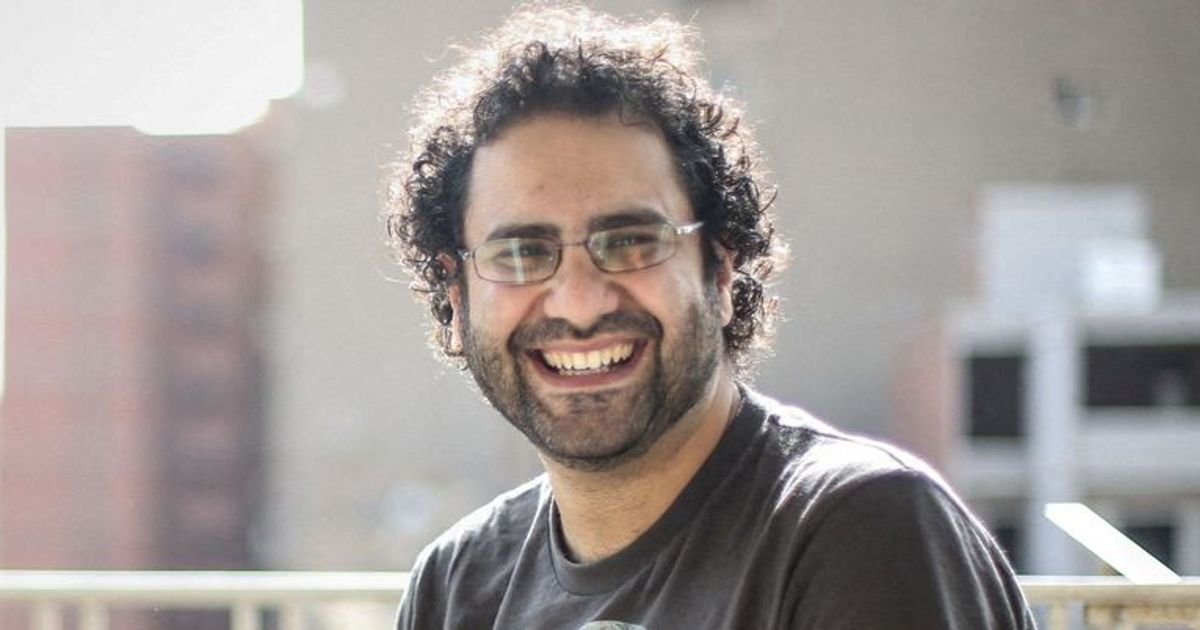

Yvette Cooper has initiated a review concerning “significant information oversights” following the overlooked “offensive” social media posts by recently released activist Alaa Abd El-Fattah.
The UK Foreign Secretary revealed that previous high-ranking officials and government employees were unaware of Mr. El-Fattah’s online statements allegedly inciting violence against Zionists and law enforcement. El-Fattah entered the UK on Boxing Day after the lifting of a travel ban post his release from prison.
While both Yvette Cooper and PM Keir Starmer welcomed his arrival, they faced criticism as tweets from 2010 resurfaced. The Foreign Secretary has launched an investigation into the matter.
In a letter to Dame Emily Thornberry, who leads the Foreign Affairs Committee, Cooper expressed dissatisfaction with the existing procedures and vetting processes, labeling them as “completely inadequate” in this instance. She condemned the tweets, which El-Fattah has since apologized for, as “offensive.”
She stated, “Given the increasing antisemitism and recent violent attacks against Jewish communities, I am deeply troubled by the sudden revelation of these historical tweets. This revelation, coupled with the social media posts by myself and other senior officials welcoming El Fattah’s return, has heightened the distress experienced by Jewish communities in the UK, and for that, I am sincerely sorry.”
“I have urgently requested the permanent under-secretary to investigate the serious information lapses in this case and to review the department’s processes for conducting due diligence on notable consular and human rights cases overseen by the FCDO. This aims to ensure the efficacy of these systems moving forward and to extract all essential insights from this incident.”
El-Fattah obtained UK citizenship in December 2021 under the tenure of former PM Boris Johnson, reportedly through his British-born mother. Despite calls from the Tories and Reform UK to revoke his citizenship, there are currently no active plans for such action.
UN investigators deemed El-Fattah’s imprisonment for spreading false news as a violation of international law. He was pardoned by Egyptian President Abdel-Fattah el-Sisi in September. Both Tory and Labour administrations had advocated for his release, and he has now reunited with his son in Brighton.
El-Fattah expressed remorse, acknowledging the offensiveness of his past comments. He stated, “I sincerely apologize for my previous remarks, which primarily stemmed from a young man’s anger and frustrations during regional crises, including conflicts in Iraq, Lebanon, and Gaza, and the escalation of police brutality against Egyptian youth.”
Amid demands from opposition parties to deport the activist, 10 Downing Street defended the government’s handling of the situation. The Prime Minister’s spokesperson emphasized the government’s commitment to religious and political freedom, while condemning the historical tweets as “offensive.”
Government officials currently see no basis to strip El-Fattah of his citizenship, citing legal precedents that allow such actions only in cases involving fraud or dangerous criminality or terrorism.