

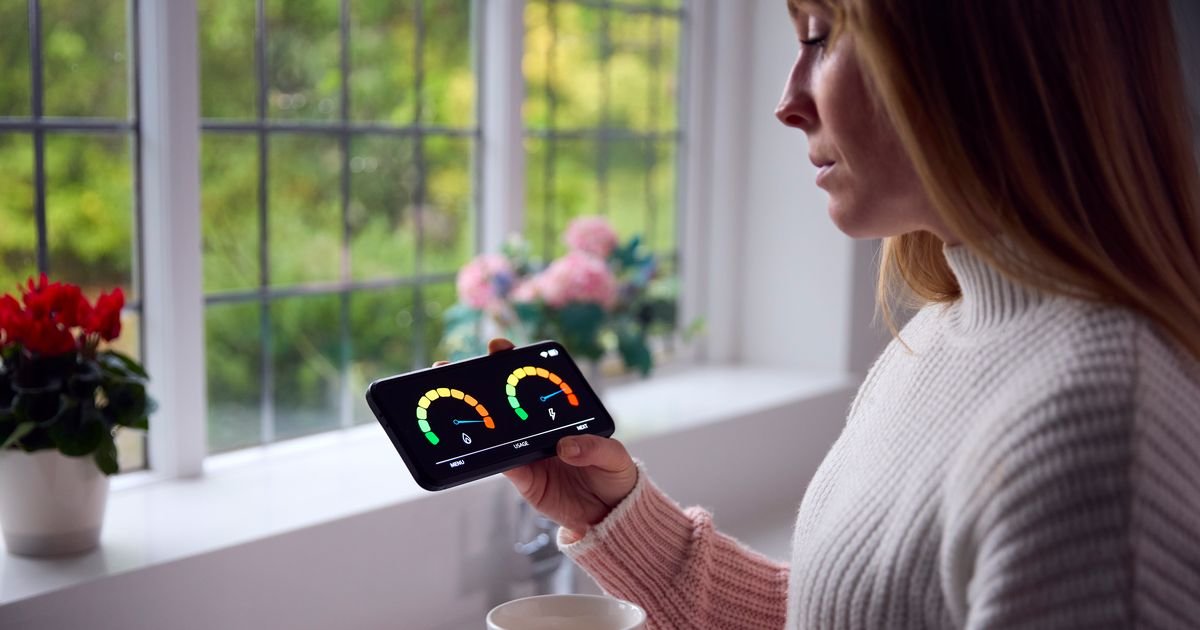

Energy bills are increasing slightly starting today with the implementation of the new price cap set by Ofgem. For households paying through direct debit, the annual energy bill will rise from £1,755 to £1,758. The price cap regulates the maximum charges for gas and electricity unit rates and standing charges.
The total energy bill is still dependent on individual usage as the price cap does not impose a limit on the overall cost. Customers not on a fixed energy tariff will be subject to the price cap. The price cap for pre-payment meter users will increase from £1,707 to £1,711 annually, while those paying upon receipt of the bill will see an increase from £1,890 to £1,894 per year.
The price cap is reviewed every three months, and the next adjustment is scheduled for April 2026. Despite the current increase, the new price cap is £37 lower or 2% less compared to the previous period this year. However, consumers are still paying significantly more for energy. Which?, a consumer advocacy group, recommends considering switching to a fixed tariff to save money.
According to Ofgem, the recent price cap rise is influenced by government policy costs and operational expenses, including contributions towards projects like Sizewell C nuclear and the Warm Home Discount scheme. Chancellor Rachel Reeves announced in the November Budget that households can expect an average annual reduction of £150 in energy bills from April 2026 by eliminating certain green levies.
The Energy Company Obligation (ECO) will conclude in March 2026, and the financial burden of households towards the Renewables Obligation (RO) scheme will be lessened. Most energy suppliers have assured that customers on fixed tariffs will benefit from these savings. Energy analysts at Cornwall Insight project a decrease in the price cap to £1,620 in April 2026, reflecting a £138 reduction.