

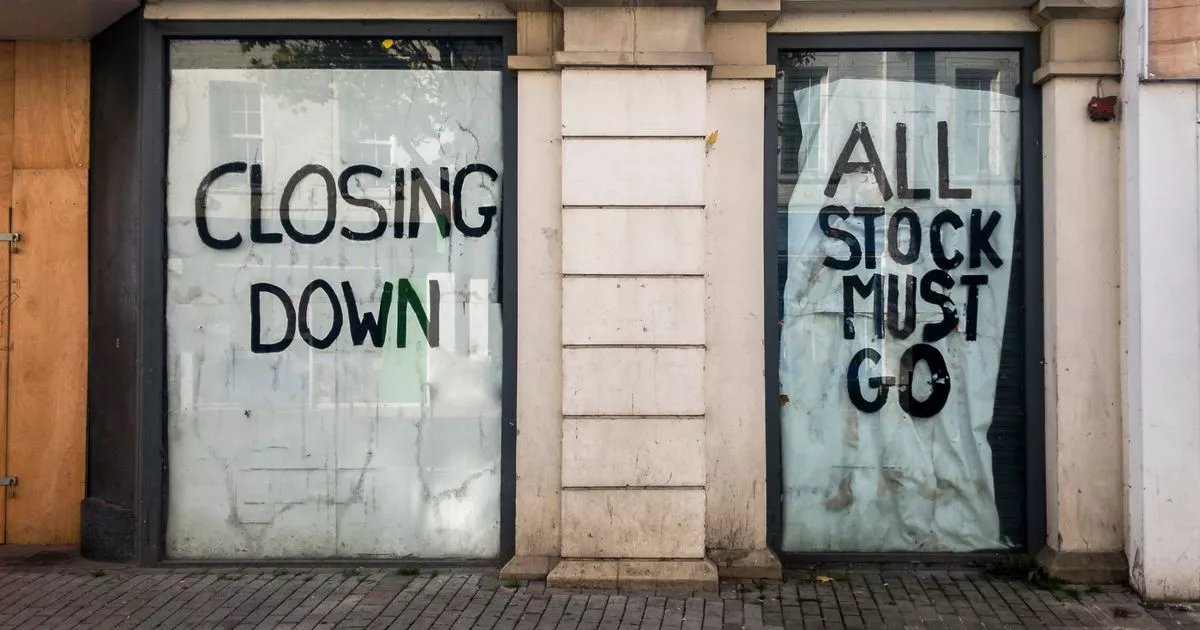

Up to 100,000 jobs in high street retail are at risk due to potential tax changes proposed by the Labour party, according to industry leaders. A predicted 400 major retail stores, spanning supermarkets to department stores, could face closure if alterations to business rates proceed. The British Retail Consortium (BRC) highlighted that approximately 4,000 large stores with a rateable value exceeding £500,000 could be affected by the proposed adjustments, potentially resulting in significant job losses and decreased business rates revenue for local councils.
During a recent meeting with store executives, Chancellor Rachel Reeves was urged to reform the business rates system urgently. Jason Tarry, chairman of John Lewis, emphasized the pressing need to address the high rates bills, ranking as the second largest expense after staff wages for the department store and Waitrose owner. BRC’s Chief Executive, Helen Dickinson, underscored the crucial role of large stores in attracting foot traffic to high streets and supporting the surrounding businesses. Dickinson warned that forcing 400 more large stores into a higher tax bracket could lead to severe consequences including job losses, diminished high street vibrancy, and reduced government revenue.
The BRC emphasized that while the retail sector contributes significantly to the economy, it disproportionately shoulders the burden of business rates, with large stores paying a substantial portion of the total bill. The organization argued that imposing higher rates on large properties like office blocks, where business rates represent a smaller proportion of costs, would be a more equitable solution compared to burdening retail establishments with additional tax obligations.
Responding to concerns, a Treasury spokesperson affirmed the government’s commitment to creating a fairer business rates system that supports the high street and fosters investment. The spokesperson announced forthcoming adjustments to introduce lower tax rates for retail, hospitality, and leisure properties, partially funded by increased rates on a minority of high-value properties. These changes aim to eliminate cash caps on tax relief, address system inconsistencies, and facilitate small business expansion.
In parallel efforts to stimulate economic growth, Rachel Reeves is exploring reforms to eliminate barriers, such as rates “cliff edges,” that hinder small business expansion. The Treasury is reviewing existing regulations to enhance business rates relief and promote a more conducive environment for entrepreneurship. Reeves stressed the importance of tax reform in driving economic growth and empowering small businesses to thrive.
Acknowledging the challenges faced by hospitality businesses, Kate Nicholls, chairwoman of UKHospitality, welcomed government initiatives to reform the business rates system, aiming to rectify longstanding inequalities and support industry growth.