

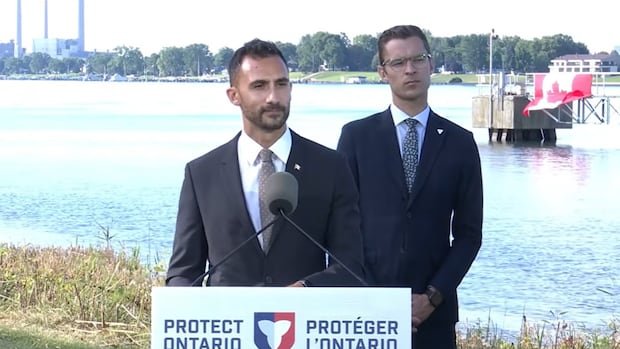

The province of Ontario is allocating $500,000 towards the development of a new power plant in Corunna, located in Lambton County in southwestern Ontario. The funding is intended to facilitate community consultations regarding the proposed project and the preferred energy source, which could be nuclear or natural gas, involving local municipalities and First Nations.
The former coal-fired Lambton Generating Station in Corunna ceased operations in 2013, leading to the displacement of nearly 400 employees. Ontario is planning to construct a new power plant on the existing 485-hectare (1,200-acre) site, leveraging the current zoning, transmission infrastructure, and transportation access to expedite the project.
The new plant is expected to generate 900 megawatts of power, which can supply electricity to approximately 900,000 additional households. Energy minister Stephen Lecce highlighted the potential benefits of mini-nuclear facilities, noting that their construction and operationalization could span up to ten years.
The specific design, cost, job creation prospects, and operational details of the power plant are yet to be determined, according to Lecce. Emphasizing a preference for clean and high-yield energy solutions, Lecce conveyed the government’s commitment to exploring various power generation options to meet the energy needs of the province.
St. Clair Township Mayor Jeff Agar expressed enthusiasm for reviving the plant as a key objective of his administration, particularly with the ongoing construction of the new St. Clair transmission line. The township council had previously endorsed the potential utilization of nuclear energy for power generation.
Lecce underscored the province’s eagerness to collaborate with the community and expedite the project, emphasizing the importance of unity and cooperation in the current context. Despite his personal inclination towards nuclear energy, he reiterated that the decision-making process would prioritize the perspectives of local stakeholders, including ratepayers, municipalities, and First Nations.