

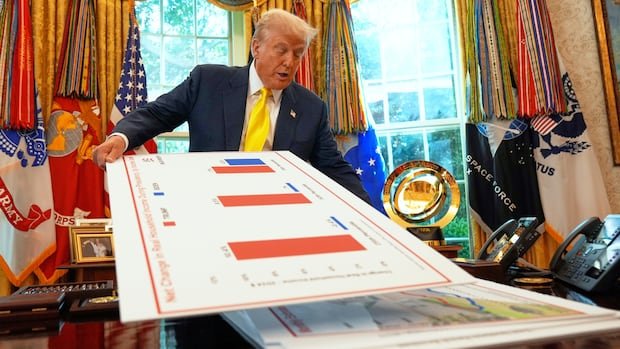

In his state of the union address in March 2025, U.S. President Donald Trump expressed optimism about the economic benefits of tariffs, anticipating significant revenue generation and job creation. However, the promised job growth has not materialized, and the U.S. national debt has soared past $40 trillion. This surge in debt has triggered concerns in the bond market, leading to sustained high yields and interest rates.
Despite the challenges faced by some due to tariffs, certain sectors have reaped substantial gains. Economists highlight that tariffs in the U.S. have facilitated a significant wealth transfer from lower-income and middle-class individuals to affluent corporations and well-connected entities.
The impact of tariffs aligns with the broader economic agenda of the Trump administration and the Republican Party, emphasizing tax policies that benefit the wealthy. Analysts point out that the tariffs have disproportionately burdened lower-income households, as they tend to spend a higher portion of their income on goods subject to tariffs compared to wealthier individuals who allocate more funds to services and non-tariff affected items.
Moreover, the distribution of tariff exemptions and refunds has favored politically connected corporations, amplifying the wealth concentration effect. Notably, the Treasury has issued over $100 billion in refunds to businesses affected by tariffs, with major corporations like Walmart and Target being primary beneficiaries.
The complex and arbitrary nature of tariff exemptions has raised concerns about political favoritism, with companies linked to political contributions having a higher likelihood of receiving exemptions. This trend underscores the challenges faced by smaller businesses and individual consumers who are typically excluded from benefiting from tariff refunds or exemptions.
While some corporations pledge to pass on refunds to consumers through price reductions, economists remain skeptical about the trickle-down effect. Studies suggest that U.S. buyers bear the brunt of tariff costs, with minimal relief reaching consumers. Despite Trump’s promises of economic revitalization through tariffs, the actual impact has been underwhelming, with a decline in manufacturing jobs and dwindling investment in new manufacturing facilities.
The tariff strategy, intended to offset income tax cuts, has predominantly burdened the middle class while benefiting the wealthy. As tariff revenues fall short of compensating for tax cuts, the mounting national debt poses challenges such as increased debt-servicing costs and higher interest rates, affecting American citizens’ access to services and benefits.
In conclusion, while tariffs have reshaped economic dynamics, the wealth redistribution effects and shortcomings in revenue generation raise questions about the sustainability and inclusivity of the current tariff policies. Economists emphasize the need for a more comprehensive and equitable approach to revenue generation to address economic challenges effectively.