

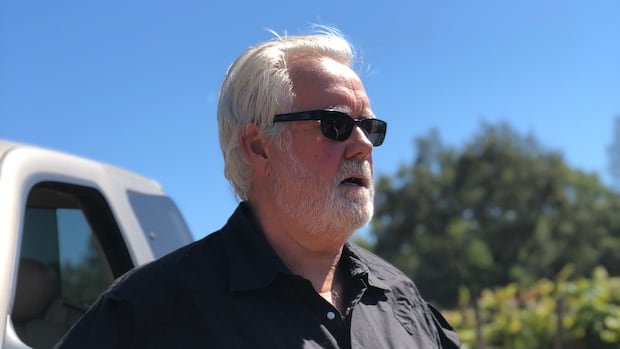

In the past, Bill Easton regularly shipped cases of Syrah to Montreal every six weeks from his winery in the Sierra Foothills of northern California. However, last spring, Quebec’s decision to remove American alcohol from its shelves disrupted this routine. Now, Easton pays $1,200 every four weeks to store his wine in a temperature-controlled facility in anticipation of future sales in Quebec.
The trade negotiations between Canada and the U.S. have placed a spotlight on the ban imposed by Canadian provinces on American alcohol. Winemakers and industry representatives express confusion and frustration as their businesses become bargaining chips in this international trade dispute.
Easton, who operates Terre Rouge Wines in California, voices concern over the situation, questioning why the tariff battle with Canada is affecting farmers and winemakers like himself who simply aim to sell their products to consumers who appreciate their craft.
The ban on U.S. alcohol products by most Canadian provinces was initiated in response to tariffs imposed by U.S. President Donald Trump on Canadian goods. Prime Minister Mark Carney has urged provinces to reconsider this ban to prevent new tariffs on Canadian exports. While some premiers are open to reinstating American alcohol if it benefits Canada, others hesitate, wary of surrendering leverage in the ongoing trade conflict.
Notably, Manitoba Premier Wab Kinew views the American president as vulnerable and believes that Canada could gain more by maintaining pressure. While he considers lifting the ban on U.S. alcohol, Kinew advises Canadians against purchasing these products, questioning the efficacy of striking deals with a volatile trade partner like the U.S.
The absence of American alcohol on Canadian shelves has irked Washington, particularly affecting products such as California wines and Kentucky bourbons. President Trump has highlighted this issue as a key factor in his threat to impose significant tariffs on Canadian imports.
The Oregon Wine Growers Association emphasizes the importance of rebuilding trust and relationships with Canadian buyers through a stable trading environment. The organization stresses the need for a lasting resolution in the current negotiations to safeguard long-term trade relationships.
Despite the potential lift on the ban, a significant number of Canadians express reluctance to return to purchasing American alcohol, citing newfound local favorites or personal boycott commitments. Some companies, like Phillips Distilling, have already taken proactive measures to relocate production to Canada, indicating a shift in business strategies amidst trade uncertainties.
Trade data reveals a substantial decline in U.S. wine exports to Canada, with a notable impact on the American wine industry. The Distilled Spirits Council of the United States reports a significant drop in bourbon exports to Canada, urging leaders on both sides to seek a negotiated solution that restores American spirits to Canadian shelves.
For Bill Easton and other affected winemakers and distillers, the bans have resulted in substantial financial losses. While hopeful for a resolution, Easton remains cautious, expressing a desire for a return to normalcy in trade relations between Canada and the U.S.