

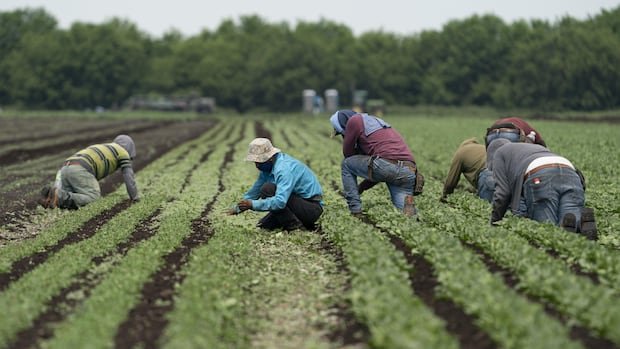

Prince Edward Island has opted out of a federal initiative that would have enabled rural employers to hire additional low-wage temporary foreign workers. The decision comes after Ottawa announced a temporary increase in the cap on low-wage TFWs from 10 to 15 percent of a workplace for rural employers in certain provinces and territories due to ongoing labor shortages.
According to a statement provided to CBC News, Prince Edward Island determined that participating in the temporary measures was unnecessary at present, based on the available information and the needs of Island employers. This move was met with disappointment by Louis-Philippe Gauthier, the Atlantic vice-president of the Canadian Federation of Independent Business.
Gauthier highlighted the challenge faced by rural employers, particularly in accommodation and food services, in attracting local workers to fill positions. The province disclosed that their review of Ottawa’s proposal revealed that 14 employers and approximately 46 positions on P.E.I. would have been impacted, primarily in accommodation and food services.
Despite the potential benefits of the federal initiative, the province emphasized their commitment to collaborating with employers to address labor market needs through existing workforce development, immigration, and recruitment programs. Gauthier stressed the importance of temporary foreign workers for maintaining normal business operations, especially in sectors like restaurants and customer service.
Mitch Martin from the Greater Summerside Chamber of Commerce expressed concerns that the province’s decision could intensify the recruitment challenges faced by small and medium-sized businesses, leading to wage pressures and reduced operating hours. The impact is expected to extend beyond the food service industry to sectors such as tourism, hospitality, seafood processing, agriculture, manufacturing, and retail.
Gauthier debunked the notion that increasing wages alone would resolve the labor shortage issue, emphasizing the multifaceted nature of the problem. He cited factors such as an aging population and the reluctance of individuals to pursue certain job opportunities as contributing to the ongoing need for temporary foreign workers.
Joe Byrne, from the Migrant Worker Resource Centre at P.E.I.’s Cooper Institute, supported the province’s decision, suggesting that fewer migrant workers being placed in precarious situations could lead to better outcomes. He advocated for reforms to the closed work permit system to provide more stability and flexibility for migrant workers, enabling them to build more secure lives in rural communities.