


Some businesses in British Columbia are feeling anxious as the deadline for a 50% tariff on U.S. imports approaches, raising concerns about potential financial impacts. Blaine Maryniuk, co-founder of West Coast Walls, expressed worries about the existential threat posed by the tariffs, as a significant portion of his sales goes to the United States each month.
Negotiations between Canada and the U.S. have intensified in recent weeks, with Trade Minister Dominic LeBlanc and chief trade negotiator Janice Charette engaging in talks with U.S. Trade Representative Jamieson Greer. The aim is to avoid the planned Section 338 tariffs and potentially lower existing tariffs on industrial products in exchange for Canadian concessions. The U.S. cites Canadian discrimination in sectors like automobiles, dairy, and alcohol as reasons for imposing the tariffs.
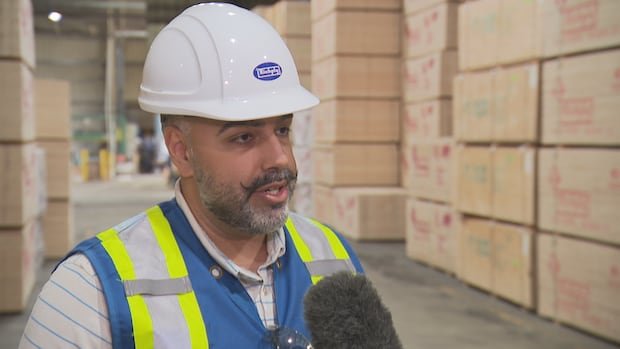
The looming tariffs particularly target wood products, putting businesses in B.C., including Richmond Plywood, at risk. Kelly Marciniw from the B.C. Log & Timber Building Industry Association highlighted concerns about potential layoffs and survival challenges due to increased paperwork and uncertainty. With a significant portion of their products destined for the U.S., companies like Richmond Plywood are bracing for a substantial impact on their bottom line.
Alex Mitchell, CEO of the Abbotsford Chamber of Commerce, emphasized the reliance of many local businesses on the U.S. market, with over 300 companies exporting goods to the United States. The fluctuating tariff landscape poses challenges in maintaining stable trading relationships, affecting both customers and suppliers alike.
Despite a phone call between Prime Minister Mark Carney and U.S. President Donald Trump, details of the conversation remain undisclosed. The uncertainty surrounding the tariff situation has left businesses like West Coast Walls feeling overwhelmed as they await the outcome, with the potential for significant repercussions on their operations.