

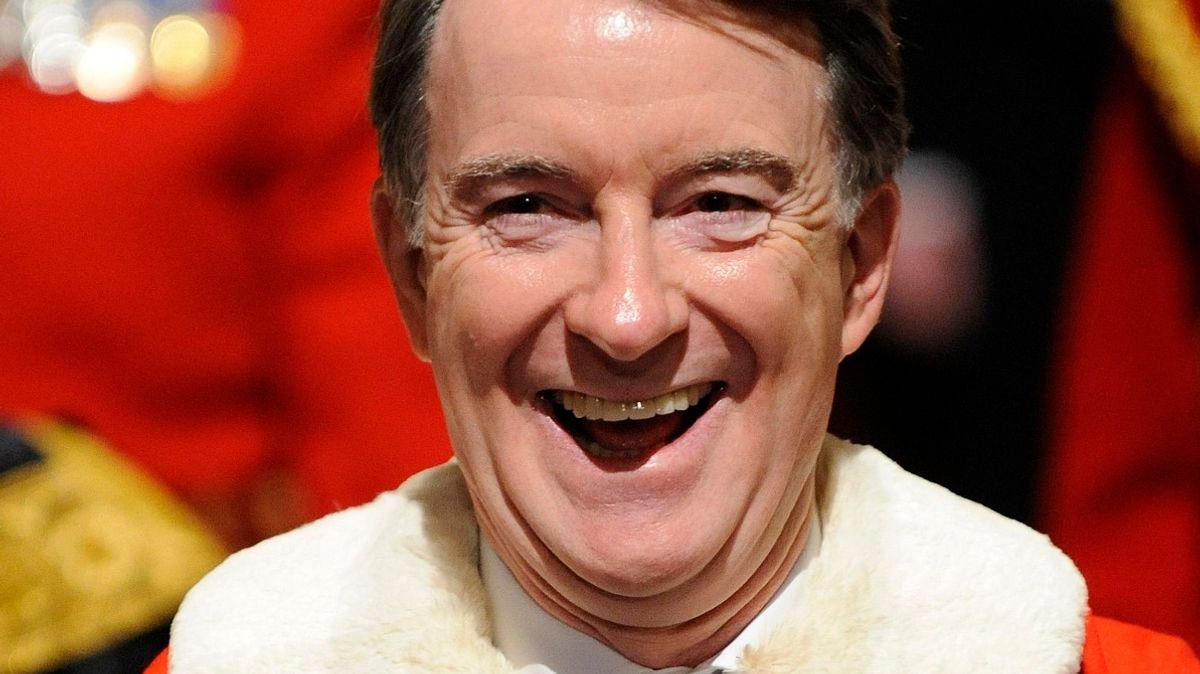

Labour MPs were outraged by Keir Starmer’s decision to appoint Peter Mandelson to a prestigious ambassadorial position despite his questionable connections. Starmer initially resisted releasing Downing Street documents related to Mandelson’s appointment, citing national security concerns. However, pressure from his party forced him to backtrack. Subsequently, a government minister stated that the documents would not be disclosed due to potential interference with a police investigation.
The situation raised questions about the preferential treatment of high-profile figures when it comes to legal scrutiny. The public is left wondering about the transparency and accountability of public officials, especially in cases involving serious allegations. The lack of access to crucial information concerning powerful individuals, such as Mandelson and Prince Andrew, highlights the need for stricter legislation like the Hillsborough Law to ensure transparency and accountability in governance.
The controversy surrounding Mandelson and Andrew underscores the disparities in how individuals are treated based on their status and connections. Calls for greater transparency and accountability in public service have intensified, emphasizing the importance of upholding the principles of truth and justice for all. The need for comprehensive legislation like the Hillsborough Law, which aims to hold public officials accountable for their actions, has become more apparent in light of recent events.